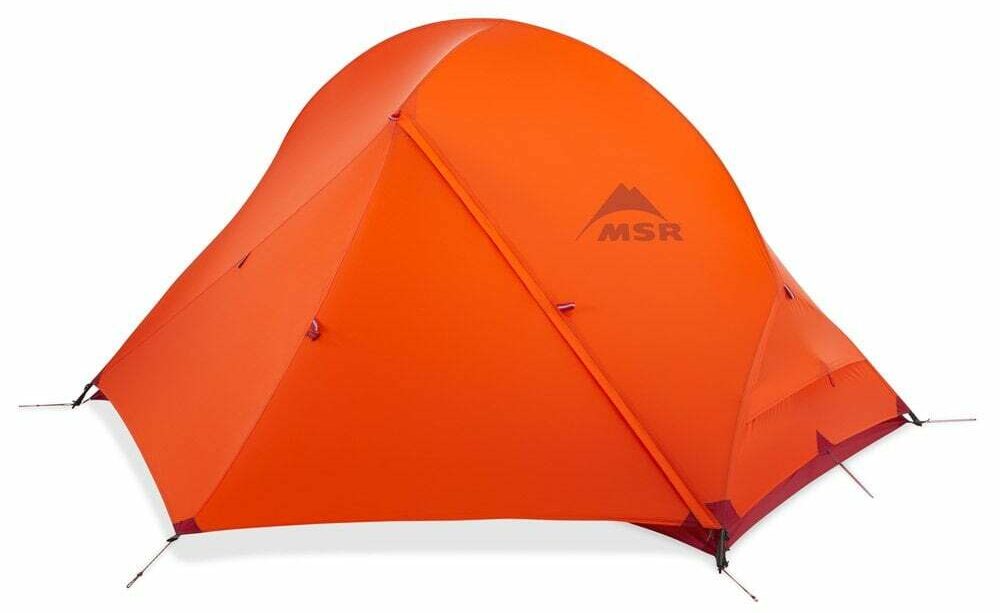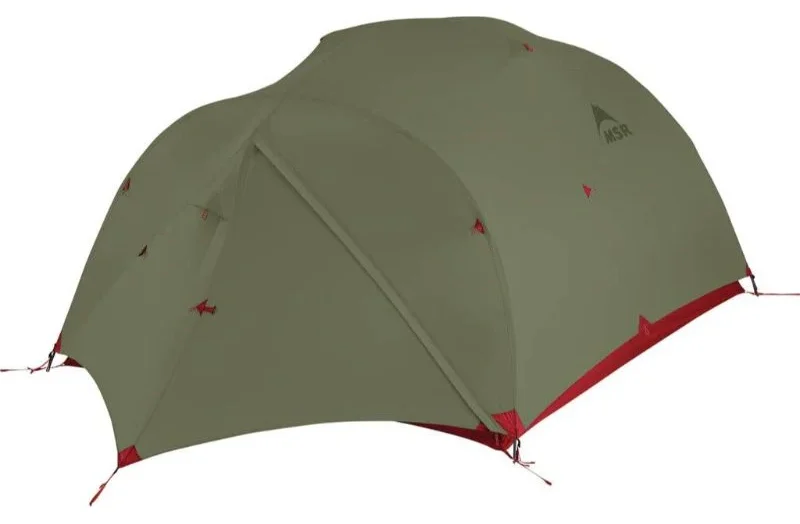
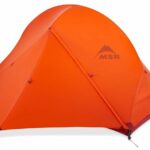
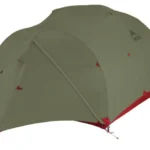

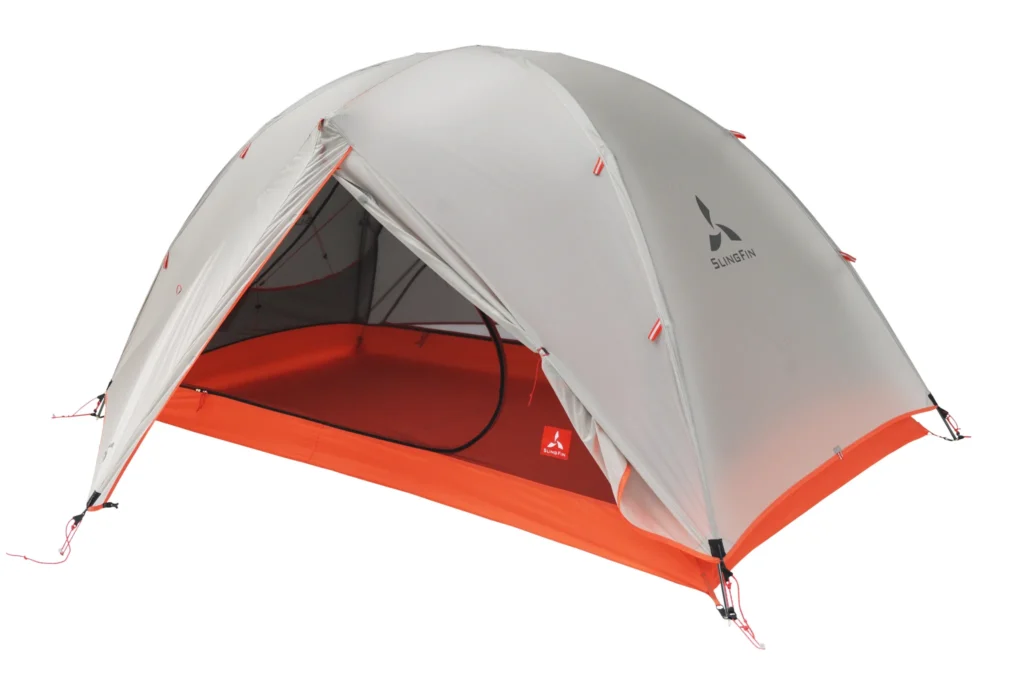
The Slingfin Portal 2 is one of those tents that immediately feels different the moment it’s in your hands. The materials, the stitching, the pole architecture, the tensioning system—everything gives the impression that the designers cared more about real‑world performance than hitting a price point. After spending considerable time with it across different climates and terrain, it’s clear that this tent is built with a level of precision that’s rare in the lightweight category.
The first thing that stands out is the fabric. Slingfin uses a high‑tenacity ripstop nylon that feels tougher than many tents in the same weight class. It’s not the paper‑thin material you sometimes find on ultralight shelters. Instead, it strikes a balance between durability and packability. The poles, made by DAC, slot together with a reassuring snap, and the overall structure feels solid even before the guy lines are tensioned.
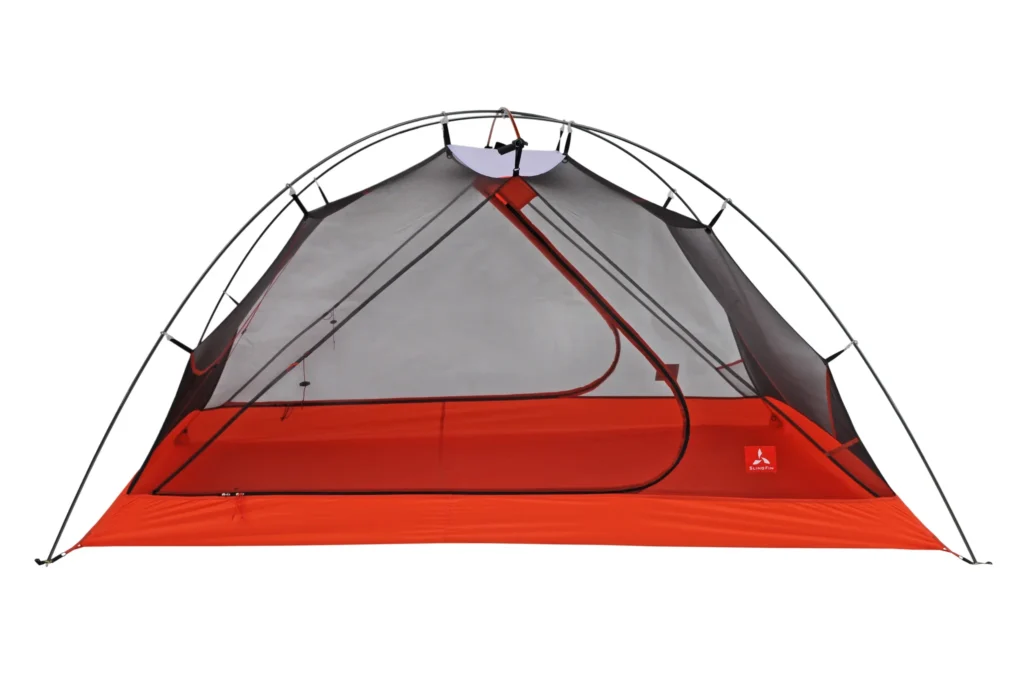
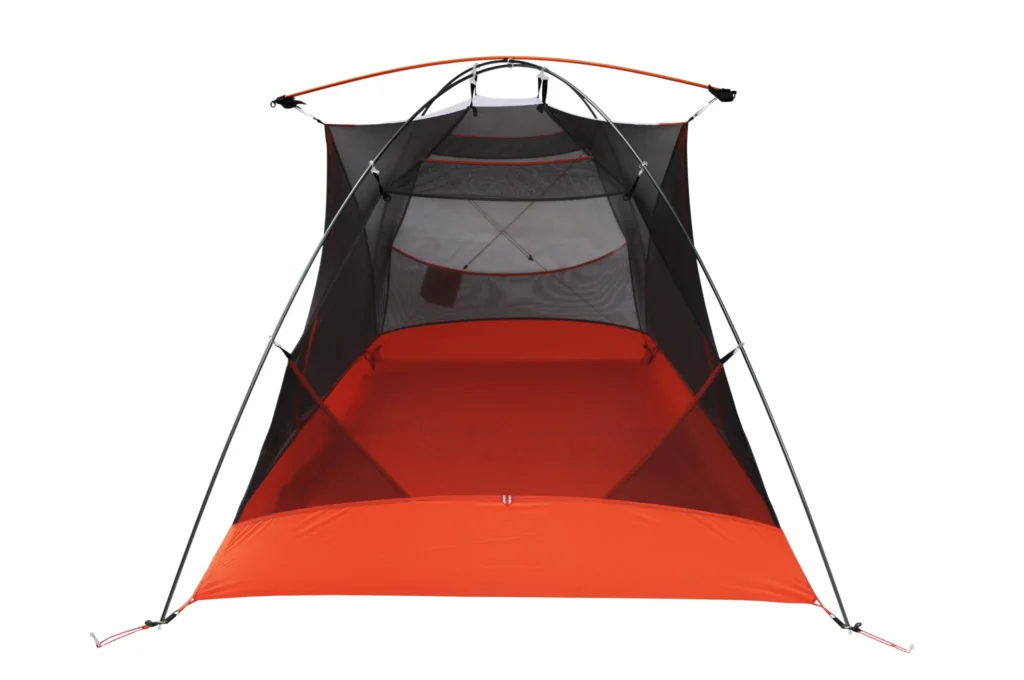
The Portal 2 is marketed as a lightweight, four‑season‑capable tent, and while it’s not a full expedition shelter, it certainly leans toward the stronger end of the three‑season spectrum. The internal guy‑out system is one of the cleverest features. It allows you to brace the tent from the inside, adding stability without relying solely on external guy lines. This is especially useful when pitching on rocky terrain where staking out every point isn’t possible.
Pitching the tent in different conditions
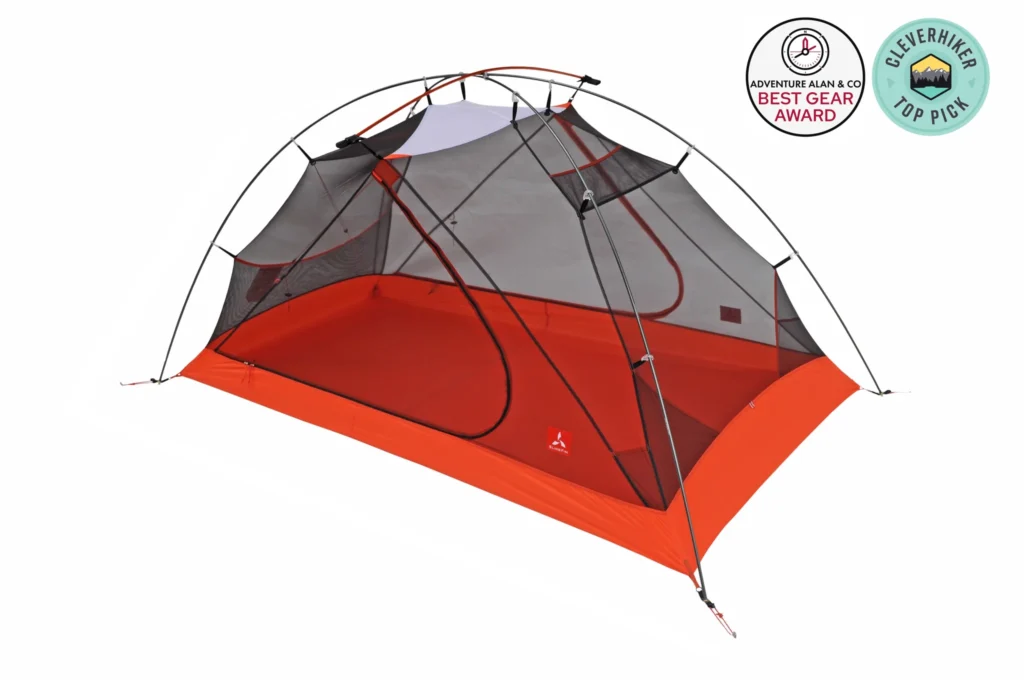
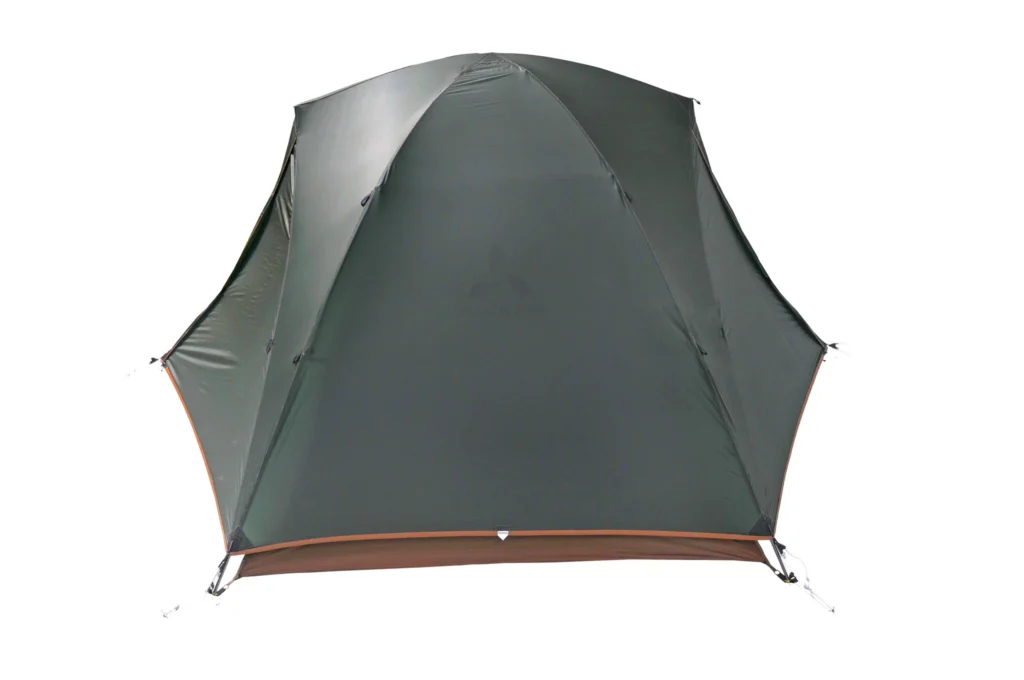
Pitching the Slingfin Portal 2 Tent is straightforward once you’ve done it a couple of times. The hubbed pole design means the structure goes up quickly, and the inner tent clips to the poles with colour‑coded attachment points. The flysheet then drapes over the top and secures neatly. Even in strong winds, the tent doesn’t fight you the way some lightweight shelters do.
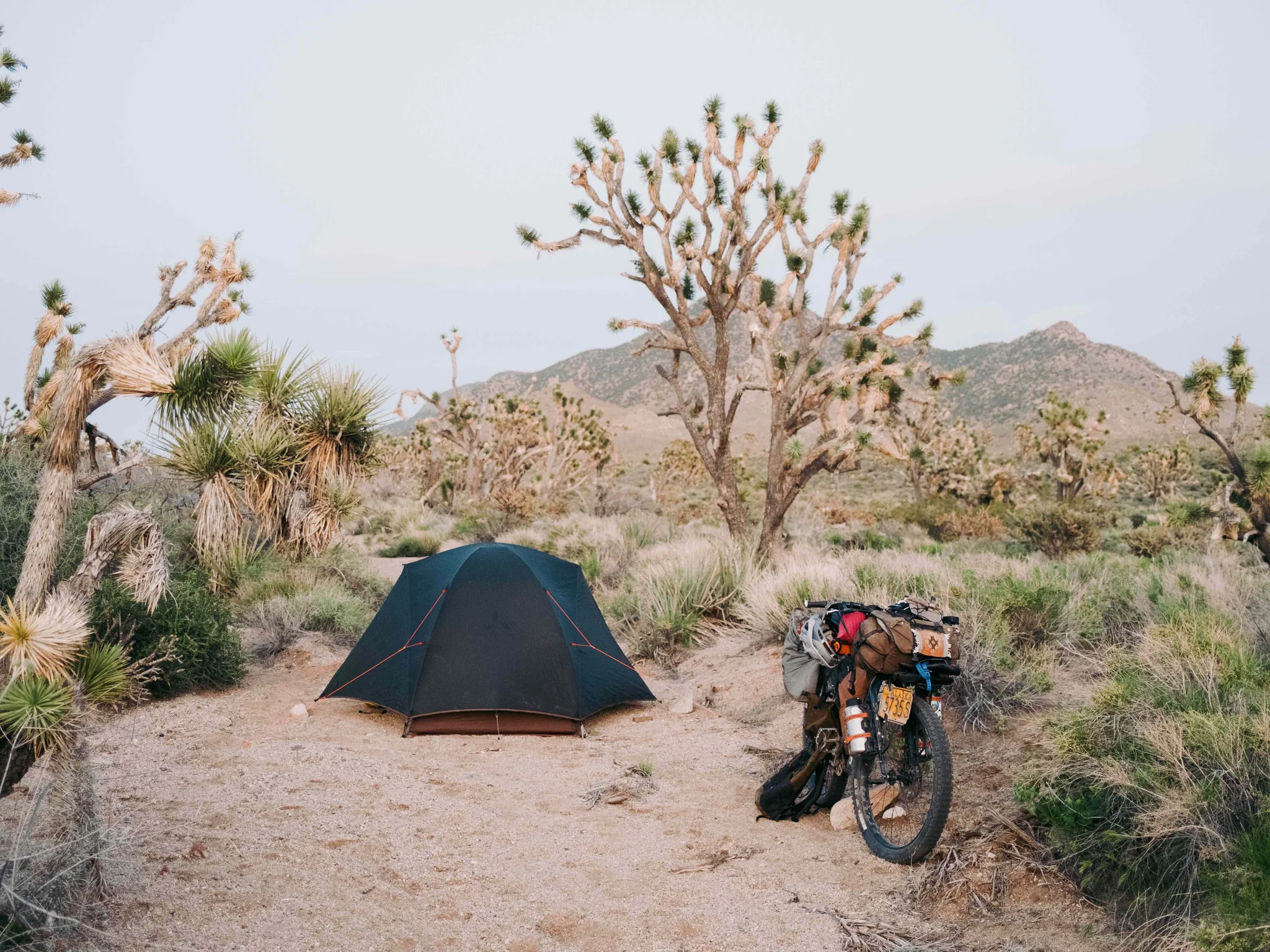
One of the most impressive aspects is how well the tent handles poor weather. In heavy rain, the flysheet sheds water efficiently, and the bathtub floor keeps moisture out even when the ground becomes saturated. The tensioning system allows you to fine‑tune the pitch, which helps prevent sagging during long, wet nights.
In windy conditions, the Portal 2 feels far more stable than its weight would suggest. The internal guy‑out system genuinely makes a difference. When anchored properly, the tent maintains its shape and doesn’t collapse inward during gusts. It’s not a mountaineering tent, but it’s robust enough for exposed ridgelines and unpredictable weather.
Interior space and comfort
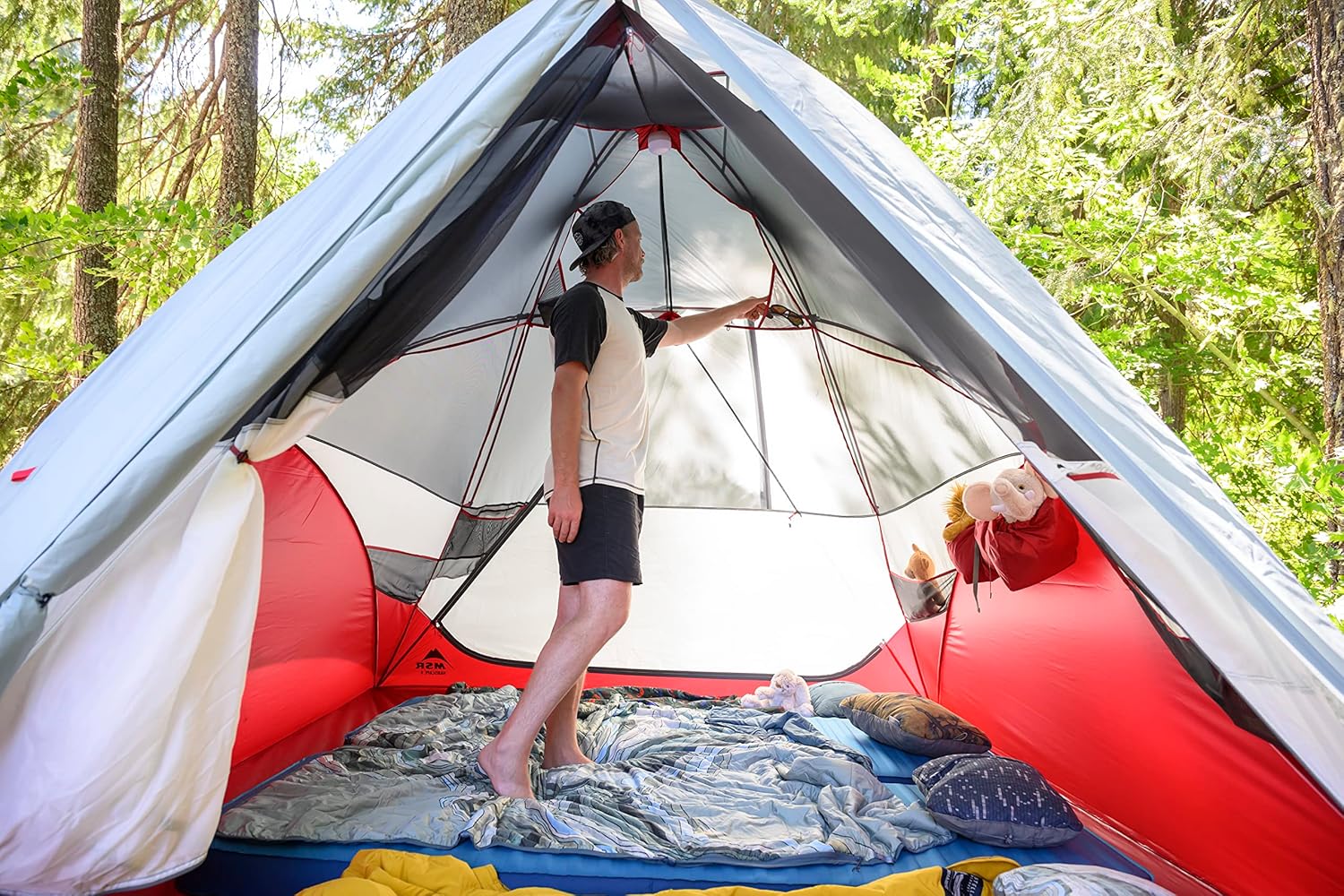
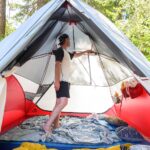
For a lightweight tent, the interior space is surprisingly generous. Two people can sleep comfortably without feeling cramped, and the near‑vertical sidewalls create more usable headroom than many tents in the same category. Sitting up, changing clothes, or organising gear doesn’t feel like a chore.
The dual‑door design is a major advantage. Each person has their own entrance and vestibule, which reduces the need to climb over one another during the night. The vestibules are large enough for boots, packs, and cooking gear, though cooking inside a vestibule should always be done with caution.
Ventilation is excellent. The inner tent uses a combination of mesh and solid fabric, allowing airflow without sacrificing warmth. Condensation is always a concern in lightweight shelters, but the Portal 2 manages it well. Even in humid conditions, moisture buildup is minimal, and the vents can be adjusted easily from inside.
Weight and packability
At around 1.4–1.5 kg depending on configuration, the Slingfin Portal 2 Tent sits in the sweet spot between ultralight and durable. It’s not the absolute lightest tent available, but the extra grams translate into meaningful improvements in strength and comfort. For people who prioritise reliability over shaving every possible gram, the weight feels justified.
The tent packs down neatly into a compact stuff sack. The poles are short enough to fit horizontally inside most backpacks, which helps with load distribution. If you prefer to split the weight between two people, the components divide easily without creating awkward bulk.
Weather resistance and long‑term durability
After extended use, the Portal 2 shows very little wear. The fabrics resist abrasion well, the zips remain smooth, and the pole structure hasn’t loosened or warped. The flysheet’s waterproof coating holds up better than many tents in its class, and the seams remain tight even after repeated pitching.
In strong winds, the tent’s geometry really shines. The crossing pole structure and internal guy‑out system create a rigid frame that resists deformation. While it’s not designed for extreme winter storms, it handles rough weather with confidence.
In heavy rain, the tent remains dry inside. The flysheet extends low enough to protect the inner tent, and the bathtub floor is high enough to prevent splashback. The groundsheet is thick enough to withstand rough surfaces without needing an additional footprint, though using one will extend the tent’s lifespan.
Living with the tent on longer trips
On multi‑day trips, the Portal 2 becomes more than just a shelter—it becomes a comfortable base. The interior pockets are well‑placed, the gear loops are practical, and the overall layout feels thoughtfully designed. The tent doesn’t feel claustrophobic, even when spending long hours inside during bad weather.
The ability to tension the Slingfin Portal 2 Tent from inside is a small but significant advantage. If the flysheet sags overnight due to rain or humidity, you can adjust it without stepping outside. This is especially helpful during cold or wet conditions.
The tent’s ventilation system keeps the interior fresh, and the dual doors make it easy to manage airflow. Even in warmer climates, the tent remains comfortable thanks to the generous mesh panels.
Strengths and weaknesses
Strengths
- Excellent build quality and materials
- Strong pole architecture and internal guy‑out system
- Spacious interior with near‑vertical walls
- Dual doors and vestibules
- Reliable in wind and rain
- Good balance between weight and durability
- Easy to pitch after a couple of attempts
Weaknesses
- More expensive than many lightweight tents
- Not the absolute lightest option for people who count every gram
- Requires a little practice to pitch perfectly
- Internal guy‑out system adds complexity for beginners
Who the Slingfin Portal 2 is best suited for
The Portal 2 is ideal for people who want a tent that can handle a wide range of conditions without tipping into the bulk and weight of a full expedition shelter. It’s perfect for multi‑day trips, long‑distance trekking, and situations where reliability matters more than saving a few grams.
It’s also a great choice for people who camp in exposed areas or unpredictable climates. The tent’s stability, weather resistance, and thoughtful design make it a dependable companion for challenging environments.
If you’re looking for the absolute lightest tent available, this isn’t it. But if you want a shelter that balances weight, strength, comfort, and durability, the Portal 2 stands out as one of the best options available.
Final thoughts
After extensive use, the Slingfin Portal 2 has proven itself to be a remarkably capable tent. It offers a rare combination of strength, comfort, and practicality without becoming overly heavy or complicated. The build quality inspires confidence, and the thoughtful design touches make it a pleasure to live in during longer trips.
It’s not the cheapest tent on the market, but the performance justifies the price. For people who value reliability and comfort in challenging conditions, the Portal 2 is a standout choice that feels built to last.