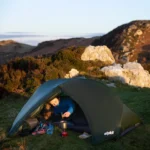
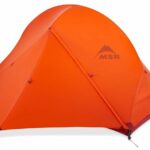

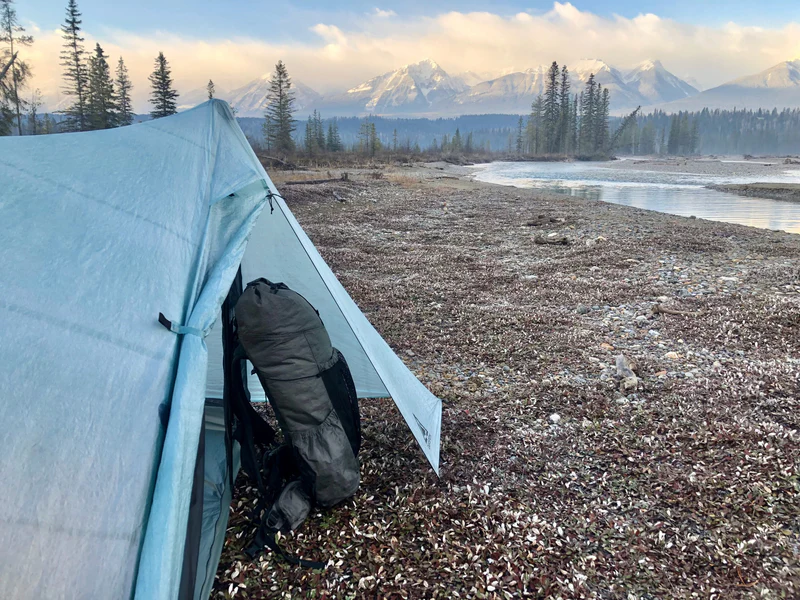
The Durston X-Mid Pro 1 Tent has become one of the most talked-about ultralight trekking-pole tents available today. Built from Dyneema Composite Fabric and shaped around a unique offset-pole geometry, it promises high strength, impressive interior volume and a remarkably low carry weight. Many one-person shelters force compromises to save grams, but this design aims to offer genuine comfort without inflating pack weight.
Design and Geometry
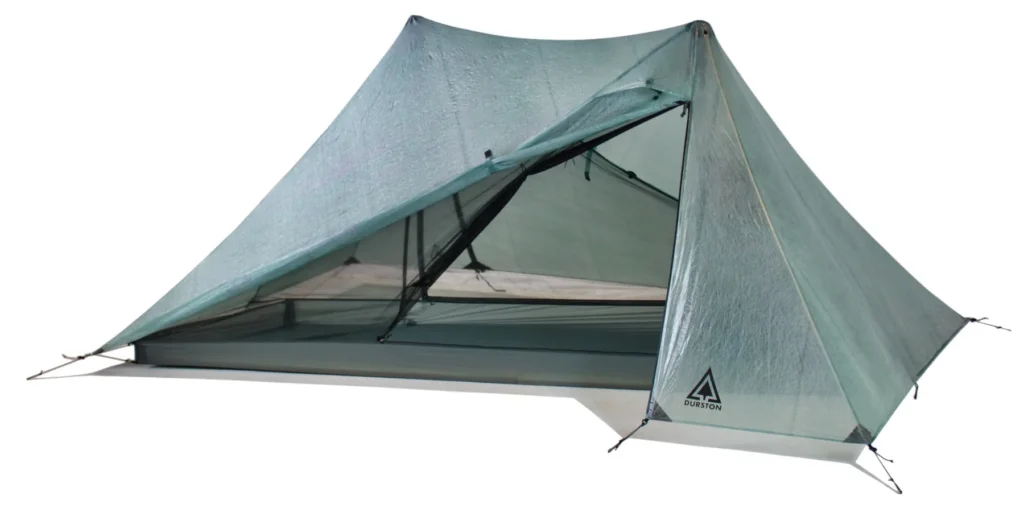
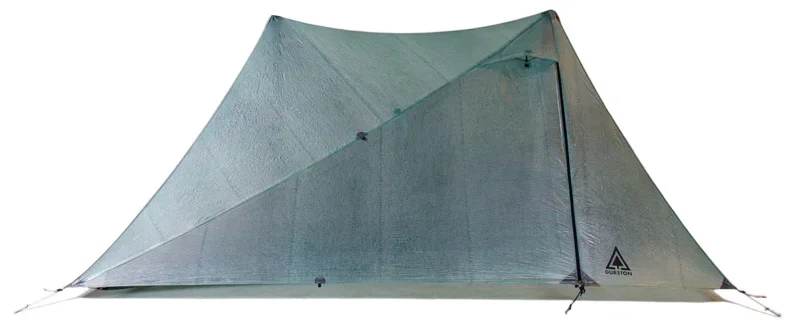
The defining feature of the X-Mid Pro 1 is its patented geometry. Rather than placing trekking poles directly in front of the sleeper or relying on symmetrical A-frame layouts, the poles are positioned diagonally. This creates a rectangular floor that sits square to the ground instead of twisting or tapering awkwardly.
This geometry results in a surprisingly spacious feel. The interior length is generous, allowing tall people to lie down without brushing the ends. The headroom is also better than many shelters in this weight class. The vertical inner walls and moderate roof angles reduce the sensation of lying inside a narrow wedge.
The tent pitches with two trekking poles and involves fewer steps than expected for a shelter with such a distinctive design. The main structure uses only four stakes for a basic setup. Additional stakes can be added to anchor the fly more securely in wind or to fine-tune ventilation. The simple rectangular footprint helps when selecting a pitch, as it avoids the asymmetry and odd shapes found in some ultralight shelters.
Materials and Build Quality
The canopy of the Durston X-Mid Pro 1 Tent is built from Dyneema Composite Fabric (DCF), one of the most premium and high-performance materials in ultralight gear. DCF has an excellent strength-to-weight ratio, remains fully waterproof, and does not sag when wet. This stability helps keep tension high even during long periods of rain.
The floor is available in different materials depending on the model. The standard floor uses an ultralight fabric that balances weight and durability. Careful site selection helps prolong its life, as with most single-skin or thin-floor shelters. People who camp frequently on rough ground or rocky surfaces may choose to pair it with a groundsheet for peace of mind.
The seams of the tent are bonded instead of stitched. This manufacturing method reduces potential weak points, eliminates needle holes, and maintains waterproofing without needing seam sealing. Zippers are smooth, reliable and easy to operate, even with cold hands. Small touches such as magnetic door tie-backs show that practicality was at the forefront of the design process rather than added as an afterthought.
Weight and Packability
The X-Mid Pro 1 is exceptionally light for a fully enclosed tent with a full fly, inner and dual doors. It sits well under the weight of many one-person shelters, especially those made with more traditional fabrics. The packed size is compact and easy to store horizontally inside a backpack, which is convenient for people who prefer not to strap bulky items to the outside of their pack.
Because the tent relies on trekking poles rather than rigid tent poles, there is no need to carry extra hardware. This alone saves a significant amount of weight compared to free-standing alternatives. For people already hiking with poles, the total shelter weight becomes extremely competitive.
Pitching and Ease of Use
The Durston X-Mid Pro 1 Tent has a reputation for being easier to pitch than many ultralight trekking-pole tents. The rectangular footprint simplifies alignment. Once the four corners are staked, the poles create the central structure with minimal adjustment needed.
Small details make the pitching process more intuitive. The peak placements ensure poles do not intrude into living space. The dual doors allow entry from either side, which is especially useful when wind direction changes or when camp orientation limits access on one side.
For those familiar with trekking-pole shelters, the pitch will feel very natural. Even for people new to this style of shelter, the learning curve is short. Most report that pitching becomes second nature after only a couple of attempts.
Interior Space and Comfort
Interior room is one of the tent’s standout features. Many ultralight one-person tents sacrifice headroom or shoulder width to reduce material weight. The X-Mid Pro 1 avoids these compromises through clever layout and pole positioning.
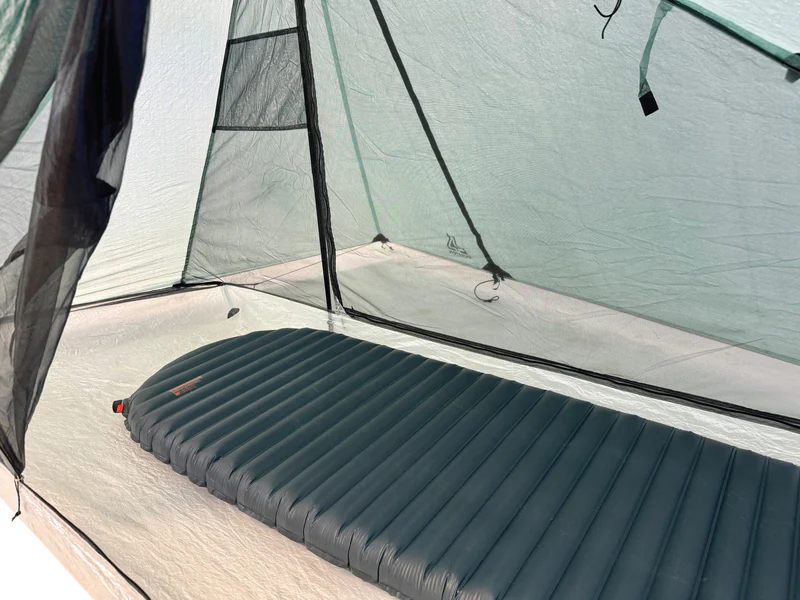
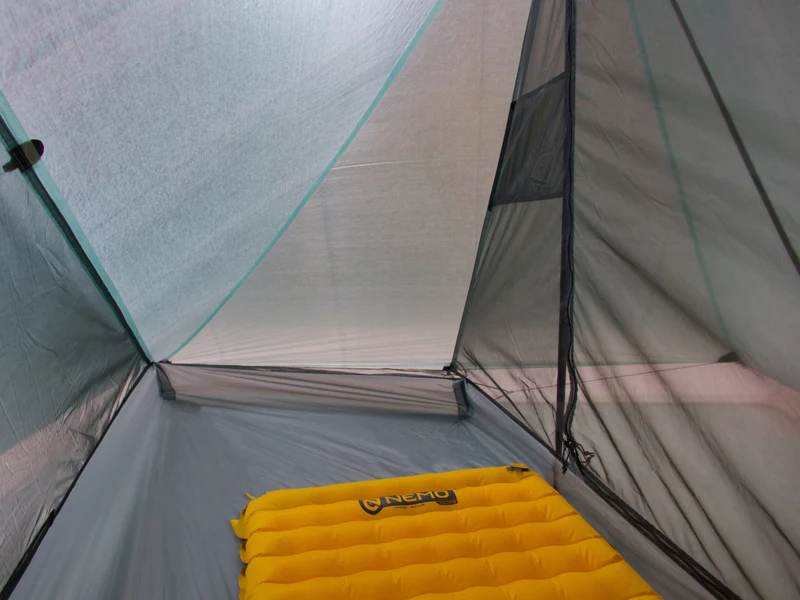
The rectangular floor allows a full-length sleeping pad to fit without forcing diagonally or pressing fabric walls outward. There is enough space for wider pads as well. Head and foot clearance remain high even when lying down, which is rare among tents under this weight category.
The dual vestibules add further convenience. Each vestibule provides space for a pack, wet clothing or cooking gear, without blocking entry. This dual-door system is a luxury many one-person shelters do not offer and contributes significantly to the livability of the tent on multi-day trips.
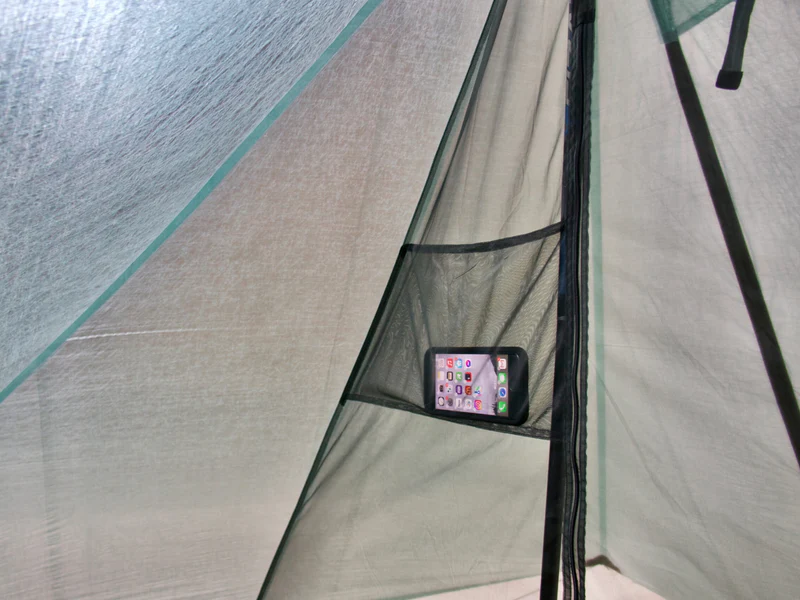
Inside the inner, mesh pockets help keep essentials off the floor. The roof height allows comfortable sitting and gear-sorting without brushing the canopy constantly.
Weather Protection
Dyneema’s waterproof qualities give the tent excellent performance in rain. The fabric does not absorb moisture or stretch, so the tent maintains its shape in wet conditions. The fly provides full coverage right down to the ground, helping shield against wind-driven rain and reducing splashback.
When additional guy-out points are used, the tent becomes very stable in storms. The angled panels of the fly shed wind efficiently, and the structure resists collapse when properly tensioned. Although not designed as a mountaineering shelter, the stability is strong enough for demanding conditions typically encountered in three-season travel.
The tent includes peak vents to help reduce condensation. Ventilation can also be increased by adjusting fly height. However, because the tent has single-wall components, condensation management remains an important part of using it effectively. Judging airflow, choosing an appropriate pitch angle and maintaining slight ventilation gaps help minimise moisture build-up.
Ventilation and Condensation
Single-wall shelters often face challenges with condensation, especially in colder or more humid environments. The Durston X-Mid Pro 1 Tent performs better than many comparable ultralight tents thanks to its cross-venting peaks and adjustable fly height. The dual doors also help create airflow, especially when conditions allow one or both sides to be opened partially.
Even with these features, condensation can still occur during still nights or when camped near water. The generous interior room prevents fabric from brushing against a sleeping bag, keeping moisture issues manageable. People who prefer a fully double-wall tent for heavy condensation environments may find this limitation worth considering.
Durability and Long-Term Use
DCF is highly durable against tension and tearing, though it is less abrasion-resistant than heavier woven fabrics. Careful handling and site selection extend the life of the shelter significantly. Avoiding sharp branches, rocky ground and excessive floor pressure helps maintain the fabric’s integrity.
The tent’s bonded seams and high-quality hardware contribute to a long service life when maintained properly. Because DCF does not absorb water, drying time is minimal. Packing it away damp has fewer long-term consequences compared to nylon shelters, provided it is dried later.
Maintenance largely involves gentle cleaning, checking stakes and lines for wear, and storing the tent loosely rather than compressed for long periods.
Practical Considerations
A few factors are worth keeping in mind:
- Trekking poles are required, which may not suit people who prefer a traditional pole setup
- A groundsheet can extend floor life on abrasive terrain
- The tent requires good tensioning for best performance in wind
- DCF requires thoughtful packing to prevent creasing or unnecessary stress
None of these points are major drawbacks, but they influence how well the shelter fits different styles of travel.
Who the X-Mid Pro 1 Suits Best
The X-Mid Pro 1 is ideal for people who value low weight without sacrificing internal comfort. It works extremely well for long-distance backpacking, fast-and-light travel, weekend trips and multi-day journeys where pack weight matters.
It suits people who already hike with trekking poles or who wish to adopt a pole-supported shelter system. It also works well for tall people who often struggle to find ultralight shelters with enough length and headroom.
It may not be the best choice for people who prefer a completely free-standing tent, those who camp predominantly in very abrasive environments, or anyone who dislikes managing ventilation in single-wall designs.
Final Thoughts
The Durston X-Mid Pro 1 stands out as one of the most capable ultralight one-person tents available. Its geometry provides exceptional interior space, the Dyneema canopy offers dependable protection, and the low weight makes it attractive for demanding trips. While it requires a degree of care during pitching and packing, it rewards that effort with a shelter that delivers impressive comfort and resilience.
For people who want a tent that feels spacious without adding unnecessary grams, the X-Mid Pro 1 is an excellent choice. It strikes a rare balance between minimalism and genuine livability, making it a strong contender in the world of high-performing ultralight shelters.