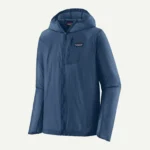


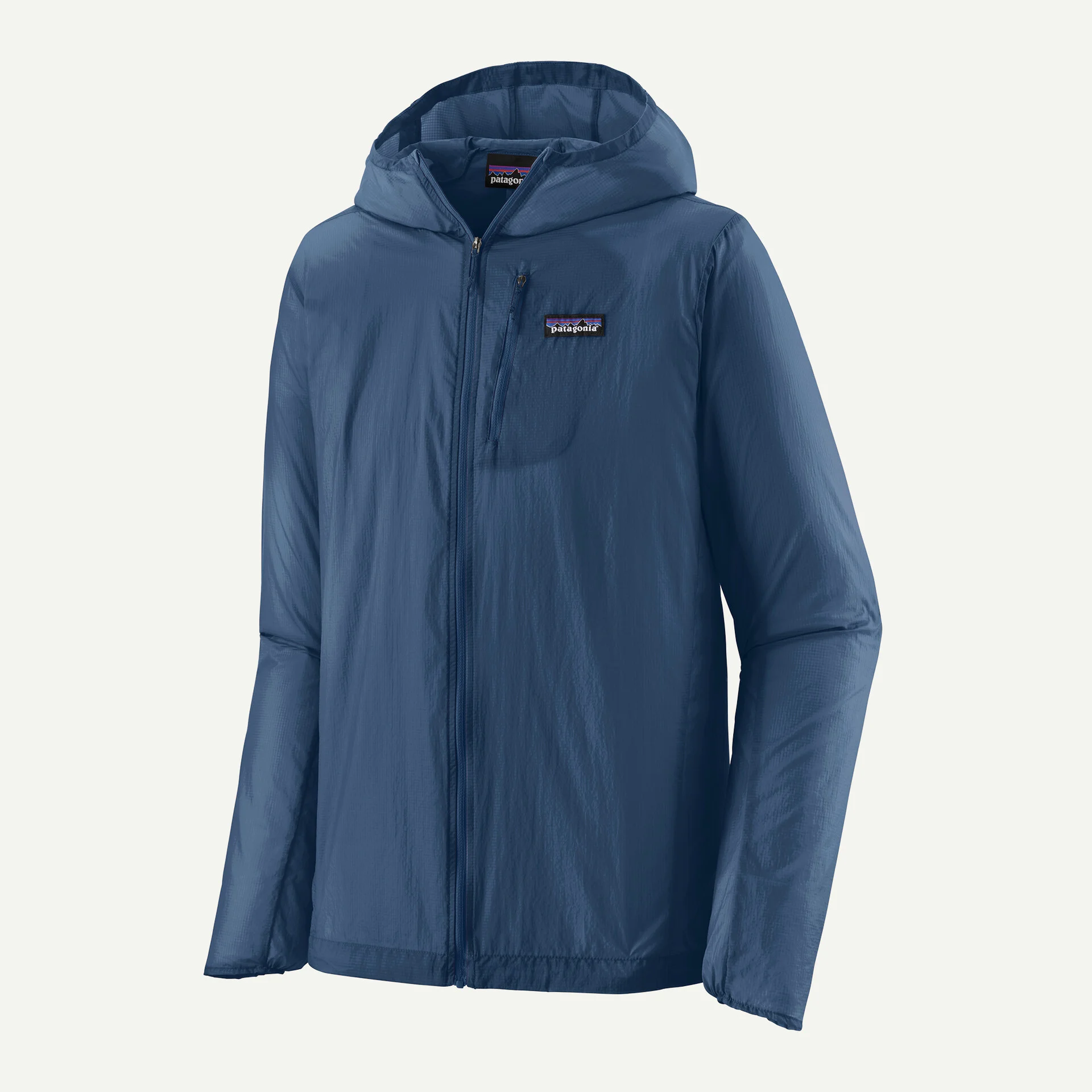
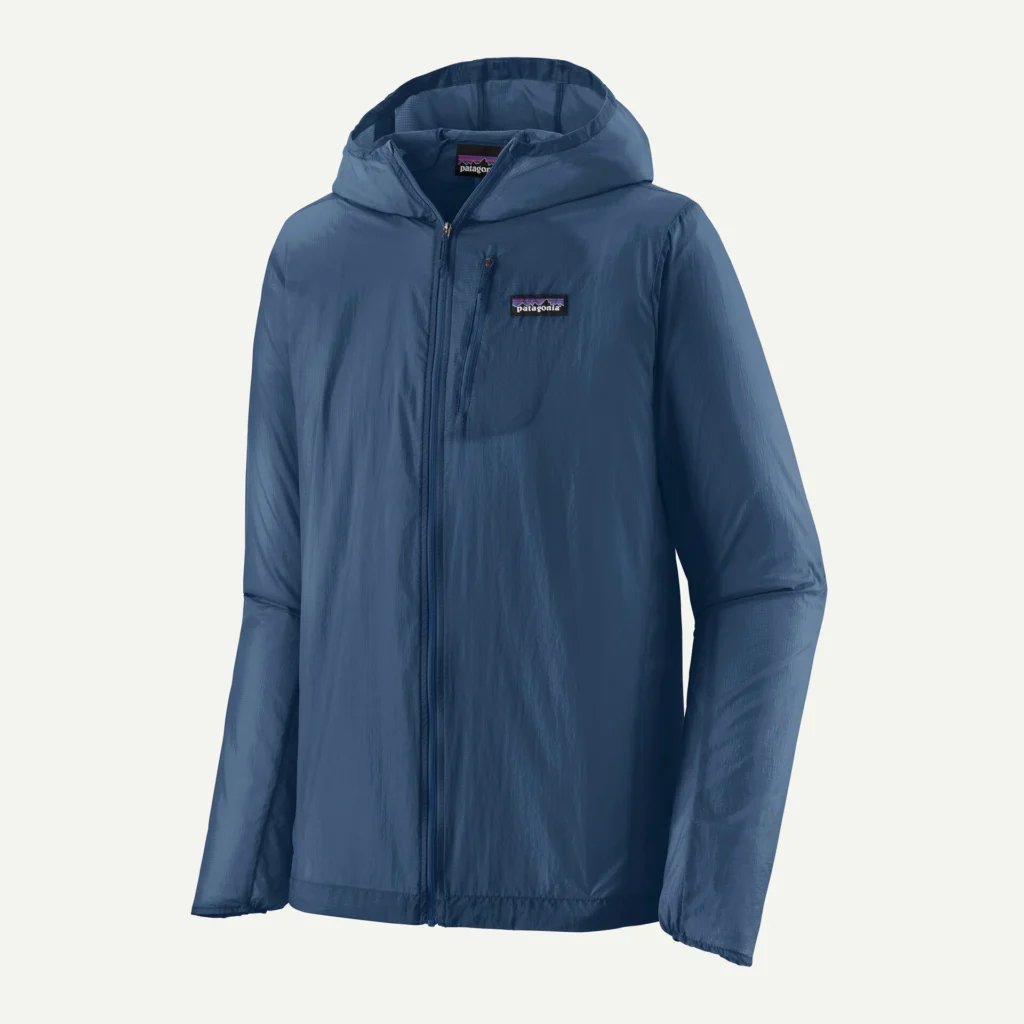
The Patagonia Houdini Windbreaker Jacket is one of those pieces of kit that quietly earns its place. It does not shout about technical features or bold design. Instead, it focuses on doing one job extremely well. After using it across hiking trips, everyday walks, travel days, and unexpected weather changes, it has become clear why the Houdini has such a strong reputation.
This is a jacket that ends up coming along “just in case” and then gets worn far more than expected. It is simple, light, and easy to live with, which often matters more than any headline specification.
First Impressions and General Feel
The first thing that stands out about the Patagonia Houdini is how light it feels. Pick it up and it barely seems like a jacket at all. The fabric is thin and smooth, almost paper-like at first touch, but it does not feel flimsy. There is a sense that it has been designed carefully rather than stripped down to the bare minimum.
When worn, the jacket feels barely noticeable. It does not restrict movement and does not add bulk. This makes it easy to forget you are wearing it, which is often the highest compliment you can give to a lightweight layer.
The overall look is clean and understated. There is nothing flashy about it, which makes it easy to wear in a wide range of settings, from trails to travel to everyday use.
Fit and Sizing Experience
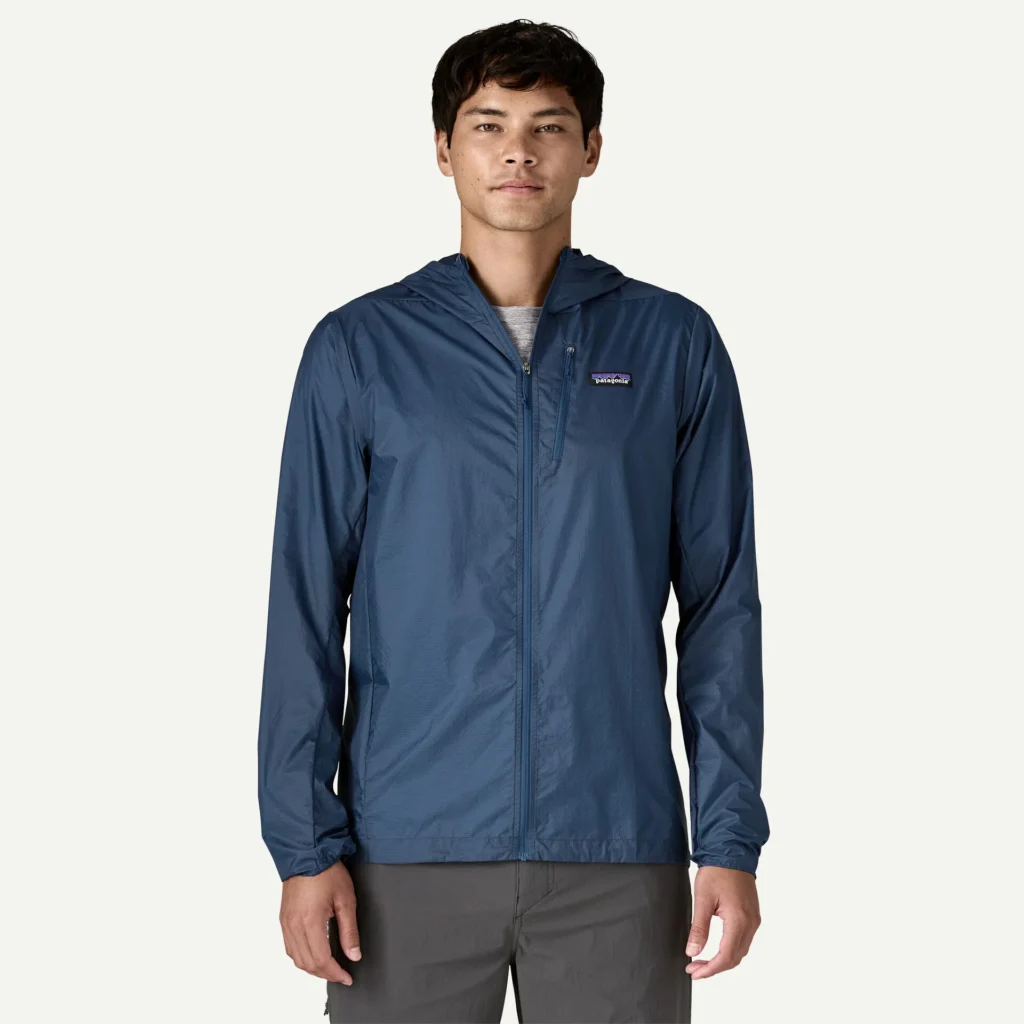
The Houdini has a trim, athletic cut without being tight. It sits close to the body, which helps it block wind effectively, but it still leaves enough room for light layers underneath. A thin fleece or long-sleeve base layer fits comfortably without feeling squeezed.
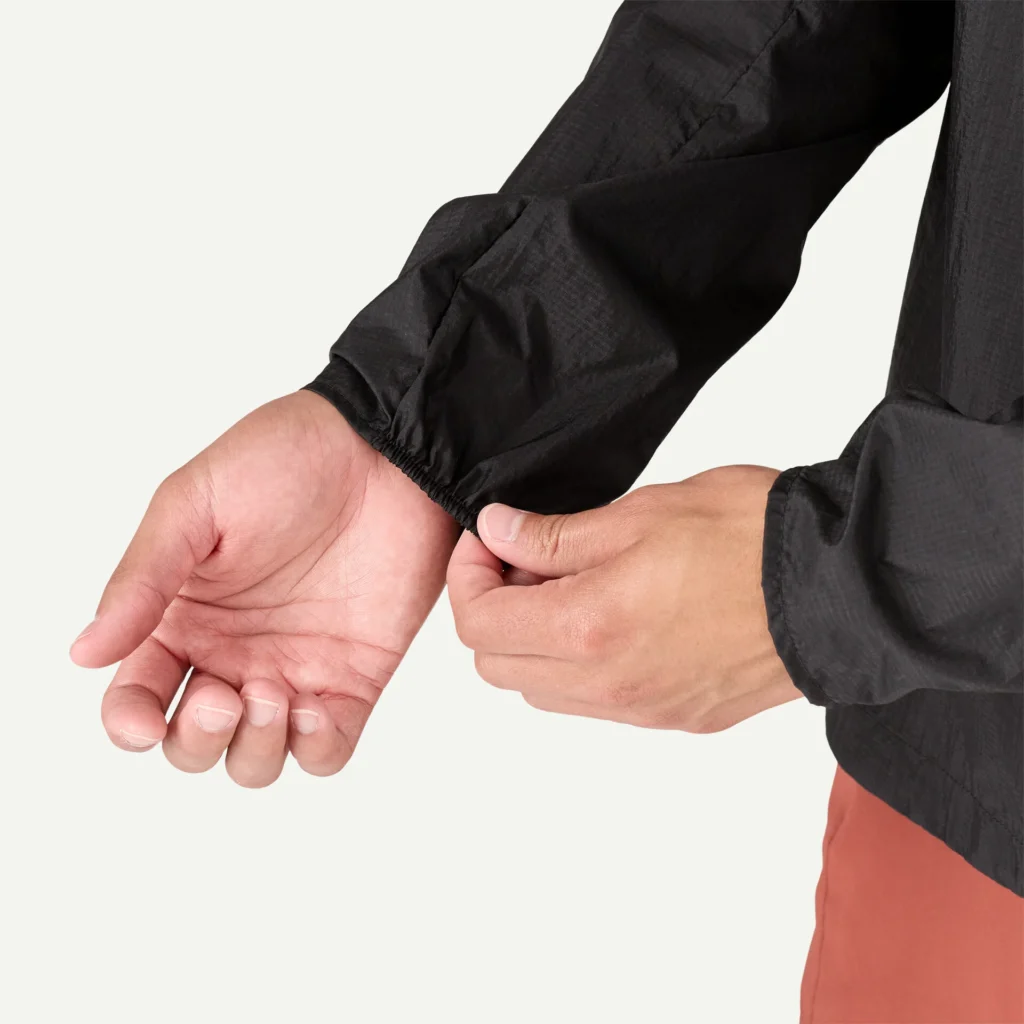
The sleeves are well proportioned, with enough length to cover the wrists without bunching. The hem sits neatly at the hips and does not ride up when moving. Elastic cuffs help seal out wind while staying comfortable during long periods of wear.
This fit works particularly well for active movement. Whether walking uphill, running, or cycling, the jacket moves with the body rather than against it.
Wind Protection in Real Use
Wind protection is where the Patagonia Houdini really shines. For such a light jacket, it blocks wind remarkably well. On exposed ridges, coastal paths, or breezy evenings, it makes an immediate difference to comfort.
The fabric stops cold air from cutting through, which helps retain body heat without needing heavier insulation. This makes it ideal for conditions where it is too warm for a full jacket but too cold to go without a layer.
In steady wind, the Houdini performs far better than its weight suggests. It turns a blustery situation into something comfortable and manageable, especially when combined with an insulating layer underneath.
Breathability and Comfort
Breathability is often the weak point of windproof jackets, but the Houdini strikes a reasonable balance. It is not as breathable as a softshell or highly air-permeable fabric, but it performs well enough for most activities.
During moderate exertion, such as hiking or brisk walking, it manages moisture without feeling stifling. When working harder, some heat does build up, but this is expected for a jacket focused on wind resistance.
The full-length zip helps regulate temperature. Opening it slightly allows excess heat to escape quickly. This makes the jacket easier to manage during changing conditions or stop-start activities.
Performance in Light Rain
The Houdini is not a rain jacket, and it does not pretend to be one. However, it handles light rain and drizzle better than expected. The durable water repellent finish causes water to bead and roll off initially.
In short showers or misty conditions, it provides enough protection to stay comfortable. Over time, heavier rain will soak through, but this is not a flaw. It is simply not designed for sustained rainfall.
For many trips, this level of water resistance is enough. It works well as an emergency layer when the forecast is uncertain or when carrying a full waterproof feels unnecessary.
Packability and Convenience
One of the standout features of the Patagonia Houdini is how small it packs down. It stuffs into its own chest pocket, forming a compact bundle that easily fits into a backpack, bike bag, or even a larger pocket.
This packability encourages you to bring it along. Because it takes up so little space, there is very little reason to leave it behind. This often results in it being available when conditions change unexpectedly.
For travel, this is especially useful. It works as a light layer on planes, in cities, or during evenings when temperatures drop.
Fabric Feel and Durability
Despite its thin fabric, the Houdini has proven more durable than it first appears. It handles regular use, repeated packing, and general wear without showing immediate signs of damage.
The fabric does need some care around sharp rocks or rough surfaces, but this is true of most ultralight layers. With reasonable use, it holds up well and does not feel disposable.
The smooth finish also makes it comfortable directly against the skin. There is no scratchy or sticky sensation, even when worn with short sleeves.
Hood Design and Practical Use
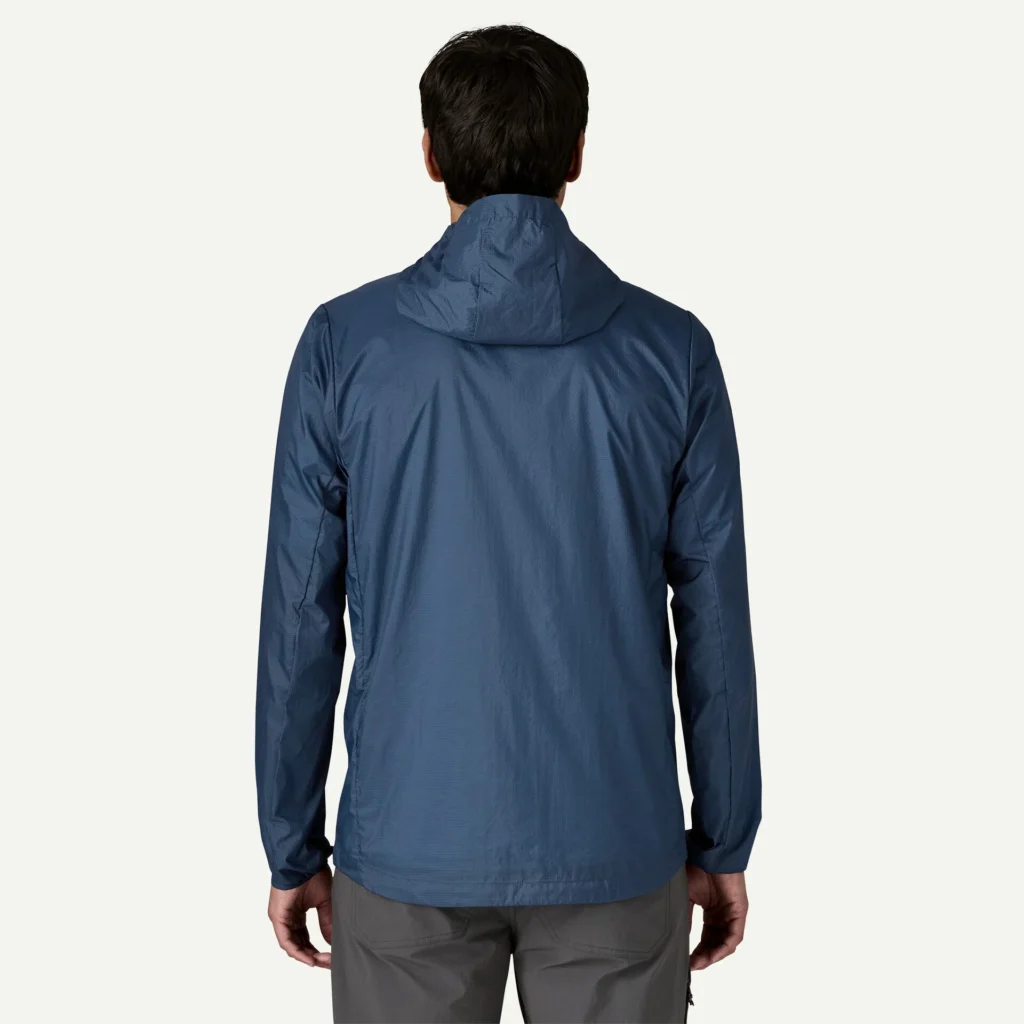
The hood is simple but effective. It fits closely around the head and moves with it, which is particularly noticeable in windy conditions. When turning your head, the hood follows rather than blocking vision.
An elastic adjustment allows the hood to be tightened quickly. This helps keep it in place without needing constant readjustment. The low-profile design also means it layers well under helmets or over hats.
When not in use, the hood lies flat and does not flap excessively in the wind.
Everyday Versatility
One of the reasons the Houdini stands out is its versatility. It is just as useful on a hike as it is for everyday wear. This crossover appeal makes it easier to justify as part of a regular wardrobe rather than a single-purpose item.
It works well for dog walks, commuting, travel, and casual outings. The clean design and quiet fabric make it feel appropriate in many settings.
Because it is so easy to carry, it often becomes the jacket you reach for without much thought.
Layering Options
The Houdini excels as part of a layering system. Worn over a base layer, it adds wind protection without trapping too much heat. Worn over a light insulated jacket, it boosts warmth significantly by cutting wind chill.
This flexibility allows it to adapt to a wide range of temperatures. It can be used in mild conditions on its own or combined with other layers when it gets colder.
This makes it a useful piece across multiple seasons rather than a jacket with a narrow use window.
Environmental Considerations
Patagonia’s approach to responsible manufacturing is well known, and the Houdini reflects this focus. The materials and construction are designed with longevity in mind, which reduces the need for frequent replacement.
Owning a jacket that lasts and remains useful over time is often more sustainable than cycling through cheaper alternatives. In that sense, the Houdini fits well into a considered, long-term kit setup.
Value for Money
The Patagonia Houdini is not the cheapest windbreaker available. However, its performance, versatility, and durability help justify the price. It is the kind of jacket that sees frequent use rather than sitting unused.
When a piece of clothing becomes part of daily life, its value increases. The Houdini earns its place by being reliable and easy to live with.
For people who want a lightweight windbreaker that genuinely works across many situations, it represents good long-term value.
Limitations to Be Aware Of
The Houdini does have limitations. It is not highly breathable during intense activity, and it is not suitable for heavy rain. Those expecting a replacement for a waterproof or a softshell may be disappointed.
The fabric also requires some care to avoid damage in rough environments. This is the trade-off for such low weight and packability.
Understanding these limitations helps ensure expectations are realistic.
Who the Patagonia Houdini Is Best Suited For
This jacket suits people who want a simple, lightweight wind layer that works across many activities. It is ideal for hiking, running, cycling, travel, and everyday use.
It is especially good for those who value packability and versatility over specialised features. If you often find yourself needing “something light” to block wind, the Houdini fits that role perfectly.
Final Thoughts
The Patagonia Houdini Windbreaker Jacket is one of those rare items that quietly becomes essential. It does not rely on bold marketing or complex features. Instead, it focuses on doing one thing very well and doing it consistently.
Its combination of light weight, effective wind protection, packability, and everyday usability makes it a jacket that gets worn often. Over time, it becomes a trusted layer that you bring along without hesitation.
For anyone looking for a dependable windbreaker that feels well thought out and genuinely useful, the Houdini is easy to recommend.