
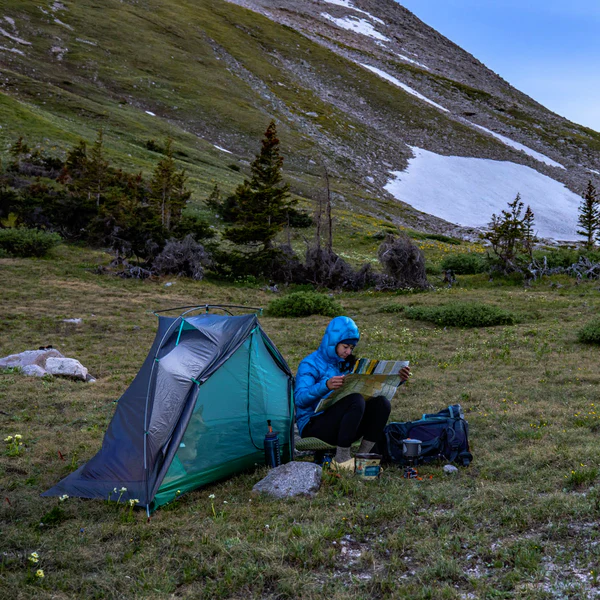
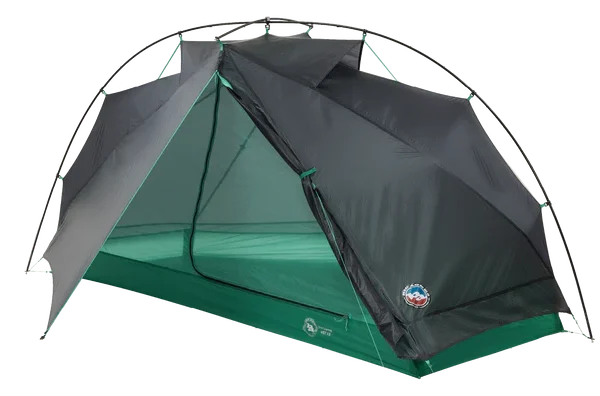
The Big Agnes Pitchpine VST 1.5 tent is one of those tents that doesn’t try to shout for attention. It doesn’t rely on gimmicks or flashy marketing language. Instead, it presents itself as a practical, lightweight shelter designed for people who want more room than a solo tent offers without carrying the bulk of a full two‑person model. From the moment it comes out of the bag, it’s clear that Big Agnes has tried to create something that feels dependable rather than delicate.
The materials feel reassuringly solid for a tent in this weight class. The fabrics have a slightly firmer hand than many ultralight shelters, and the stitching looks tidy and consistent. The poles slot together smoothly, and the geometry suggests a structure built to stay upright when the weather turns. Nothing about the tent feels rushed or cheaply assembled.
Pitching the tent for the first time
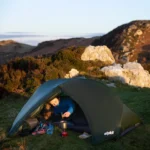
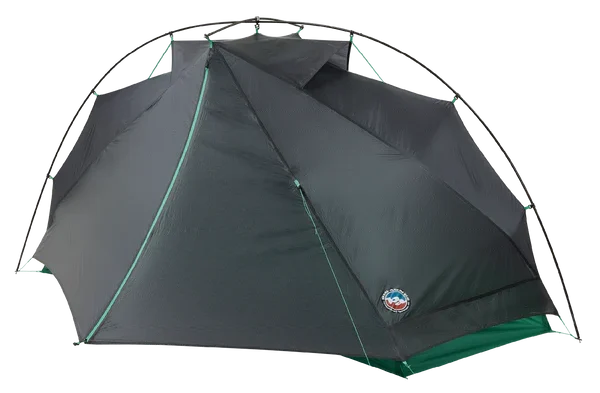
The first pitch is always the moment of truth with any new tent. The Big Agnes Pitchpine VST 1.5 tent doesn’t overcomplicate things. The pole system is intuitive, and the tent body attaches with clips that feel sturdy rather than flimsy. Once the frame is up, the flysheet drops over the top without a fight, and the tension points are easy to adjust.
What stands out most is how forgiving the tent is on uneven ground. Some lightweight shelters demand a perfect pitch to perform well, but the Pitchpine seems happy to settle into whatever space you give it. Even in wind, the structure doesn’t twist or collapse while you’re working. Once the guy lines are tightened, the tent feels secure and ready for the night.
Interior layout and living space
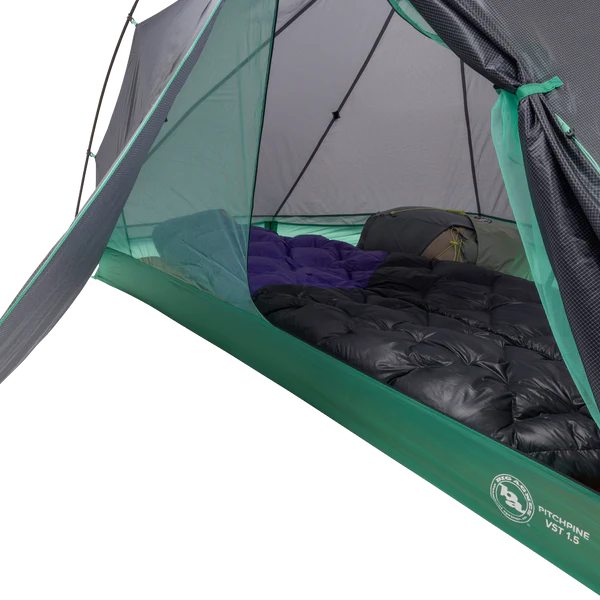
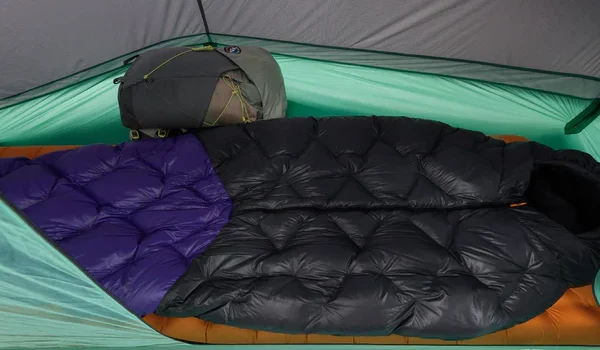
The “1.5‑person” label might sound odd at first, but it makes sense once you step inside. The tent offers noticeably more room than a typical one‑person shelter. There’s enough space to spread out your sleeping kit, organise gear, and still have room to move without feeling boxed in. For solo trips, it feels almost luxurious. For two people, it’s tight but manageable if both pack sensibly.
The near‑vertical walls make a big difference. Many lightweight tents slope sharply at the sides, which limits headroom and usable space. The Pitchpine avoids that problem. Sitting up, changing clothes, or sorting equipment doesn’t feel like a chore. The layout feels well thought out, with pockets positioned where they’re actually useful rather than as an afterthought.
The vestibule is large enough for boots, a pack, and cooking gear, though cooking inside a vestibule always requires caution. The dual‑zip door allows for flexible ventilation and easy access, and the flysheet can be adjusted to increase airflow without exposing the interior to rain.
Ventilation and condensation control
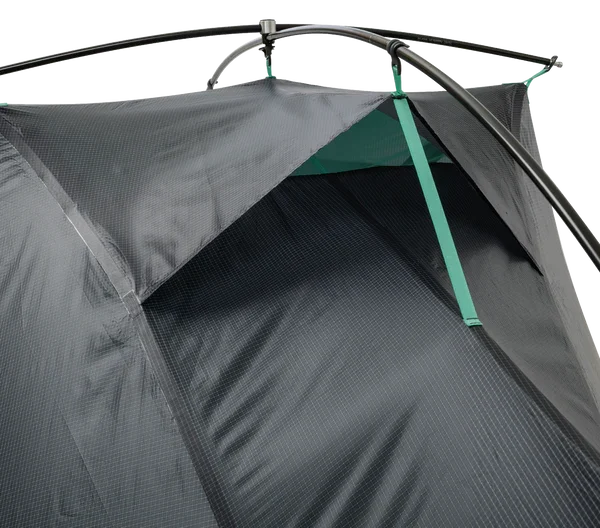
Ventilation is one of the tent’s strongest features. The inner tent uses a balanced mix of mesh and solid fabric, allowing airflow without creating uncomfortable drafts. The vents are positioned to encourage cross‑breeze, and the flysheet can be propped open in several configurations depending on the weather.
Condensation is always a concern in lightweight shelters, especially in humid climates, but the Pitchpine handles it well. Even on damp mornings, moisture buildup is minimal, and the interior dries quickly once the sun rises. The design encourages airflow without sacrificing warmth, which makes the tent comfortable across a wide range of temperatures.
Weight, packability and trail practicality
The Big Agnes Pitchpine VST 1.5 sits in that sweet spot where weight and durability feel balanced rather than compromised. It’s not the lightest tent available, but it’s far from heavy. The extra grams translate into meaningful improvements in stability and interior space.
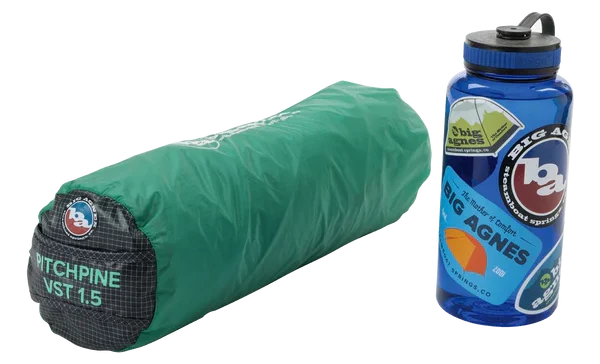
Packed down, the tent fits neatly into its stuff sack, and the poles are short enough to store horizontally inside most backpacks. This helps with load distribution and avoids the awkward bulges that some tents create. If you’re sharing the tent with another person, the components divide easily, making it simple to split the weight fairly.
On the trail, the tent feels like a reliable companion rather than something you need to baby. The materials hold up well to repeated packing and unpacking, and the poles don’t feel fragile or prone to bending.
Weather performance in real conditions
The Pitchpine VST 1.5 performs impressively when the weather turns. In heavy rain, the flysheet sheds water efficiently, and the bathtub floor keeps moisture out even when the ground becomes saturated. The seams remain tight, and the flysheet doesn’t sag excessively during long, wet nights.
Wind resistance is another area where the tent shines. The pole structure creates a stable frame that resists deformation, and the guy‑out points are positioned to maximise stability. When properly anchored, the tent feels secure even on exposed ridgelines or open plains.
While it’s not designed for extreme winter storms, it handles rough weather with confidence. The materials feel robust enough to withstand repeated exposure to wind and rain without showing early signs of wear.
Durability after extended use
After spending considerable time with the Pitchpine VST 1.5, it’s clear that Big Agnes has prioritised longevity. The fabrics resist abrasion well, the zips remain smooth, and the pole structure hasn’t loosened or warped. The flysheet’s waterproof coating holds up better than many tents in its class, and the groundsheet feels tough enough to handle rough surfaces without needing an additional footprint.
The tent’s overall construction inspires confidence. It feels like a shelter designed to last several seasons rather than something that will need replacing after a handful of trips.
Living with the tent on multi‑day trips
On longer trips, the Pitchpine VST 1.5 becomes more than just a place to sleep. It becomes a comfortable base where you can rest, organise gear, and escape the weather. The interior pockets are well‑placed, the gear loops are practical, and the overall layout feels intuitive.
One of the most useful features is the ability to adjust the tension from inside the tent. If the flysheet sags overnight due to rain or humidity, you can correct it without stepping outside. This small detail makes a big difference during cold or wet conditions.
The ventilation system keeps the interior fresh, and the vestibule design makes it easy to manage airflow. Even in warmer climates, the tent remains comfortable thanks to the generous mesh panels and adjustable vents.
Strengths and weaknesses
Strengths
- Excellent balance of weight and durability
- Spacious interior for a lightweight tent
- Stable in wind and reliable in rain
- Effective ventilation and condensation control
- Easy to pitch and forgiving on uneven ground
- Versatile size that works for solo or shared use
Weaknesses
- More expensive than many lightweight tents
- Not the lightest option for people who count every gram
- Vestibule space can feel limited for two people
- Slightly more complex than basic solo tents
Who the Big Agnes Pitchpine VST 1.5 is ideal for
The Big Agnes Pitchpine VST 1.5 is perfect for people who want a tent that offers more room than a typical solo shelter without the weight penalty of a full two‑person tent. It’s well suited to long‑distance trekking, multi‑day trips, and situations where comfort and reliability matter more than shaving every possible gram.
It’s also a great choice for people who camp in varied climates. The tent’s stability, weather resistance and thoughtful design make it a dependable companion for unpredictable conditions.
If you’re looking for the absolute lightest tent available, this isn’t it. But if you want a shelter that balances weight, strength, comfort and durability, the Pitchpine VST 1.5 stands out as one of the most versatile options available.
Final thoughts
Although the price is above many lightweight tents, the performance easily matches what you’re paying for. If reliability and comfort matter to you when conditions get challenging, the Pitchpine VST 1.5 feels like a shelter made to last.