



The ASICS Metafuji Trail arrives with bold claims, a striking design, and a price tag that places it firmly in the premium end of the trail‑running market. After spending considerable time putting it through mixed terrain, steep climbs, wet descents and long training days, I’ve formed a clear picture of where this shoe shines, where it struggles, and who will genuinely benefit from it.
Design and First Impressions
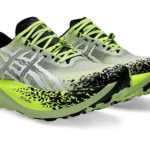
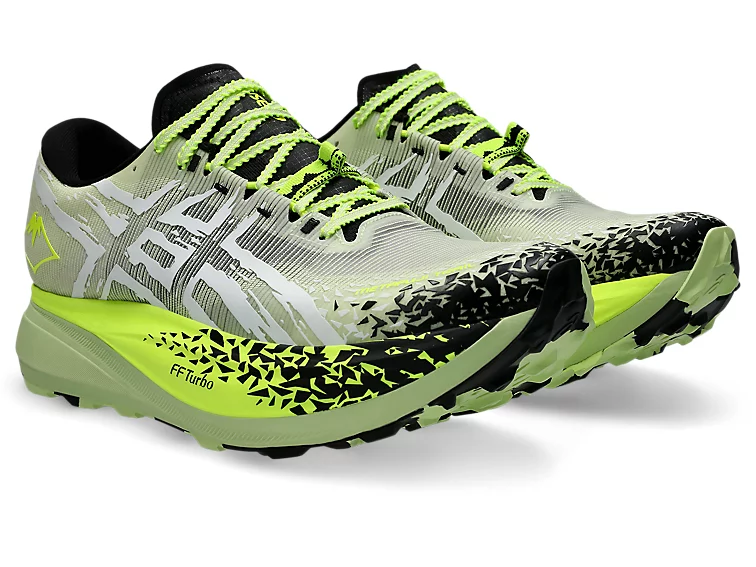
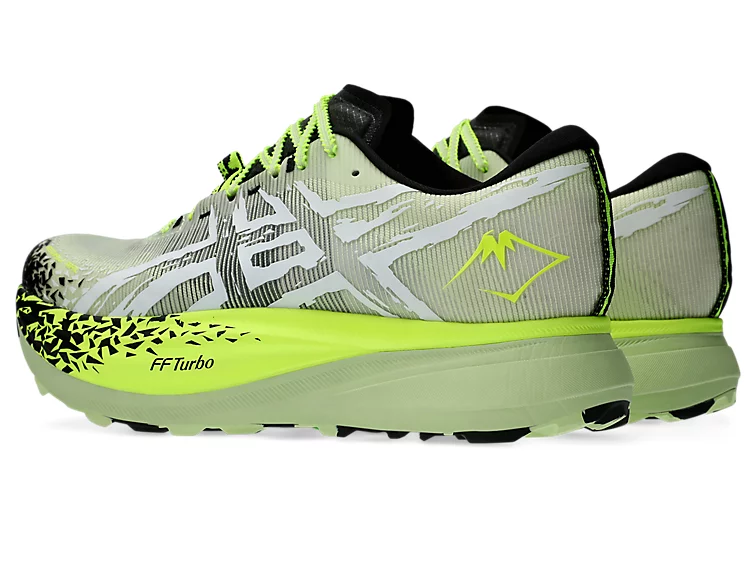
The first thing that stands out is the aggressive, almost futuristic look. ASICS clearly wanted the Metafuji Trail to feel like a flagship model, and visually it succeeds. The upper has a sculpted, performance‑driven shape, and the midsole geometry hints at propulsion and stability.
Straight out of the box, the shoe feels substantial. Not heavy in a clunky way, but purposeful. The heel counter is firm, the midsole is tall, and the outsole lugs look ready for technical ground. It’s the kind of shoe that immediately suggests long‑distance capability rather than minimalism.
The fit is snug through the midfoot with a slightly more relaxed toe box than expected. People with narrow feet will likely feel locked in immediately, while those with wider feet may need a few runs for the upper to soften. The step‑in comfort is high, thanks to ASICS’ plush tongue and well‑padded collar.
Upper Construction and Comfort
The upper uses a durable engineered mesh that balances breathability with protection. It’s not the most ventilated shoe on hot days, but it never felt swampy or overly warm. The overlays are strategically placed to reinforce the structure without adding unnecessary stiffness.
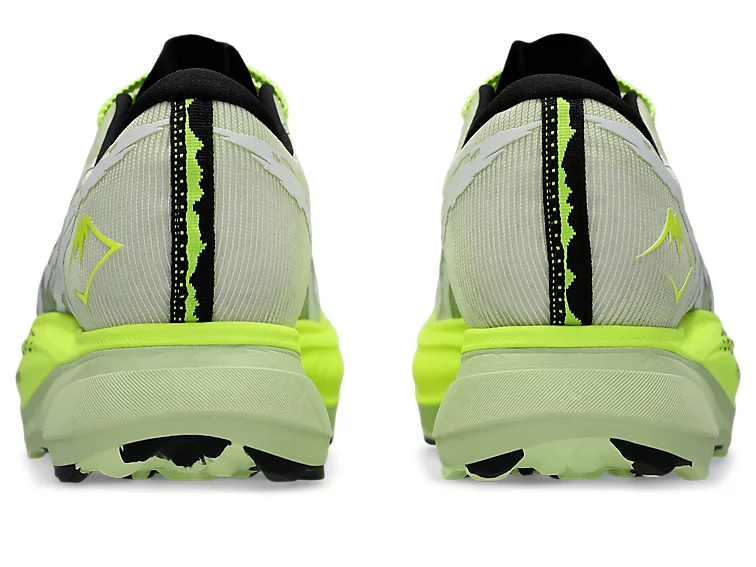
One of the standout features is the heel hold. The Metafuji Trail keeps the rearfoot stable even on off‑camber terrain, which is essential for technical running. The padding is generous but not sloppy, and I never experienced heel lift, even on steep climbs.
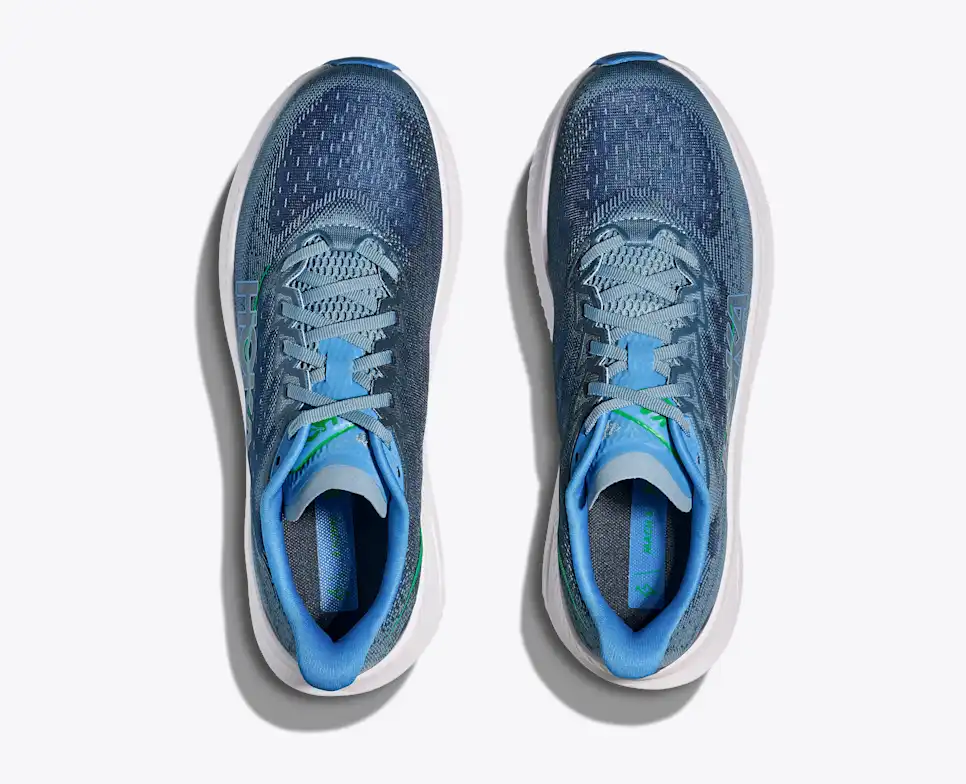
The lacing system is straightforward and reliable. The eyelets allow for micro‑adjustments, and the tongue stays in place without drifting. On long runs, the upper remained comfortable with no hotspots or pressure points.
Durability is another strong point. After extended use, the upper showed minimal signs of wear. No fraying, no tearing, and no stretching that compromised the fit. For people who regularly run rocky or root‑heavy trails, this is a reassuring detail.
Midsole Performance: Cushioning, Stability and Responsiveness
The midsole is where the Metafuji Trail becomes more divisive. ASICS uses a dual‑density foam setup designed to provide cushioning underfoot while maintaining stability on uneven terrain. In practice, the shoe feels protective and supportive, but not particularly soft.
People who prefer a plush, bouncy ride may find the Metafuji Trail firmer than expected. However, those who value stability and ground confidence will appreciate the controlled feel. The shoe absorbs impact well, especially on long descents, and the cushioning remains consistent even after many miles.
The rocker geometry is noticeable but not overpowering. It helps with forward momentum on smoother sections, but it doesn’t feel awkward on technical ground. The shoe transitions smoothly and encourages a steady rhythm rather than explosive speed.
Where the midsole truly excels is long‑distance comfort. Even after hours on the trail, my legs felt less beaten up than they normally would in firmer, lower‑stack shoes. The protection underfoot is excellent, and sharp rocks are barely noticeable.
Outsole Grip and Traction
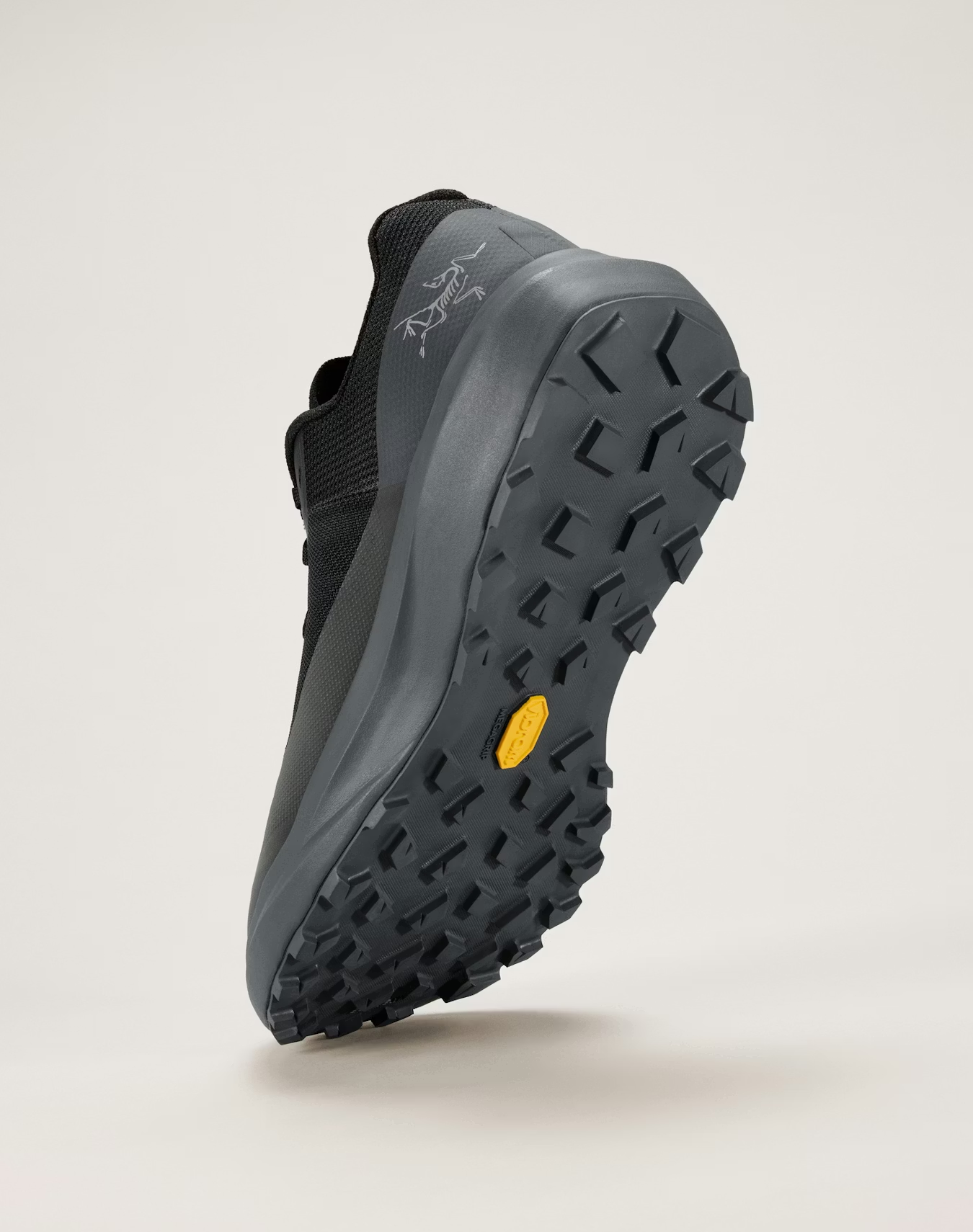
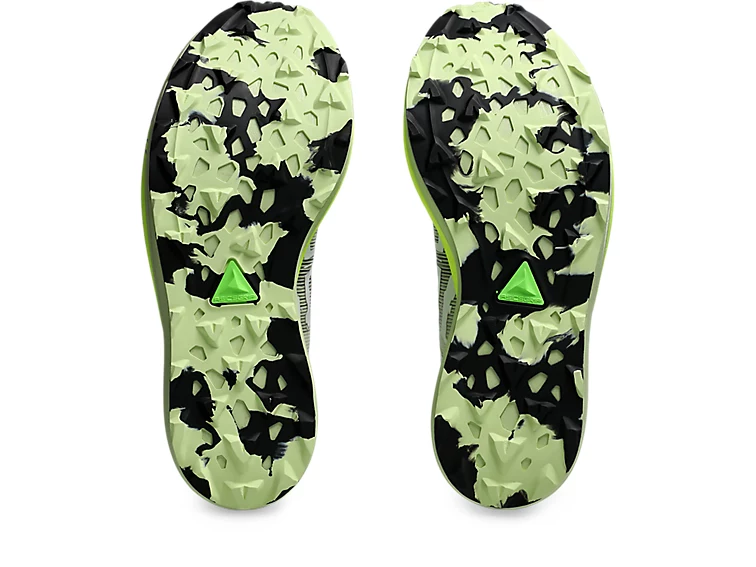
The outsole is one of the Metafuji Trail’s strongest features. ASICS uses a high‑grip rubber compound with multi‑directional lugs that bite into a wide range of surfaces. On dry dirt, loose gravel and forest paths, the traction is superb.
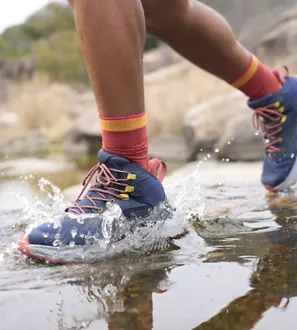
In wet conditions, the shoe performs better than many competitors. The rubber compound maintains grip on slick rock and muddy patches, though extremely deep mud will still overwhelm the lugs. On wet wooden bridges and roots, the shoe feels secure but not invincible—still, it outperforms many trail shoes in this category.
Durability is excellent. After significant mileage, the lugs showed only moderate wear, and the rubber retained its grip. People who run on abrasive terrain will appreciate how well the outsole holds up.
Stability and Technical Terrain Performance
The Metafuji Trail is built for stability, and it shows. The wide base, firm heel counter and structured upper combine to create a shoe that feels planted even on uneven ground. On technical descents, the shoe inspires confidence, allowing for controlled, precise foot placement.
The midsole’s firmness helps here. Softer shoes can feel wobbly on rocky terrain, but the Metafuji Trail remains predictable. The torsional rigidity is noticeable, which helps prevent ankle rolls but may feel stiff to people who prefer a more flexible shoe.
On steep climbs, the shoe grips well and the forefoot flex is adequate. It’s not the most agile shoe for scrambling or fast technical manoeuvres, but it’s extremely reliable.
Long‑Distance and Ultra Performance
This is where the Metafuji Trail truly shines. The combination of cushioning, protection and stability makes it ideal for long days on the trail. Fatigue reduction is noticeable, especially on routes with a lot of descending.
The upper remains comfortable over long distances, and the midsole doesn’t pack down or feel harsh after hours of use. People training for ultras or multi‑hour mountain runs will appreciate the consistent ride.
However, it’s not the fastest shoe. If you want something for racing short, technical events or setting PRs on local trails, there are lighter, more responsive options. The Metafuji Trail is built for endurance, not speed.
Durability and Value
The durability of the Metafuji Trail is impressive. The upper, midsole and outsole all show excellent longevity. This is a shoe that feels like it will easily outlast many competitors, which helps justify the premium price.
Value depends on what you’re looking for. If you want a long‑distance, protective, stable trail shoe that can handle almost any terrain, the Metafuji Trail is worth the investment. If you prefer lightweight, nimble shoes or soft, plush cushioning, you may find better options elsewhere.
Who the ASICS Metafuji Trail Is Best For
The Metafuji Trail is ideal for people who:
- run long distances on mixed or technical terrain
- want a stable, protective shoe
- prioritise durability and support
- prefer a firmer, more controlled ride
- need reliable grip in varied conditions
It’s less suitable for people who:
- want a soft, highly cushioned feel
- prefer lightweight, fast shoes
- mainly run smooth, flat trails
- have very wide feet and need extra room
Final Verdict
The ASICS Metafuji Trail is a serious, well‑engineered trail shoe built for long distances, technical terrain and people who value stability and protection. It’s not the lightest or softest option, but it delivers a dependable, confidence‑inspiring ride that holds up mile after mile.
Its durability, grip and long‑distance comfort make it a strong choice for committed trail runners who want a shoe that can handle almost anything. While it won’t suit everyone, those who appreciate its strengths will find it to be one of the most reliable and capable trail shoes available today.