

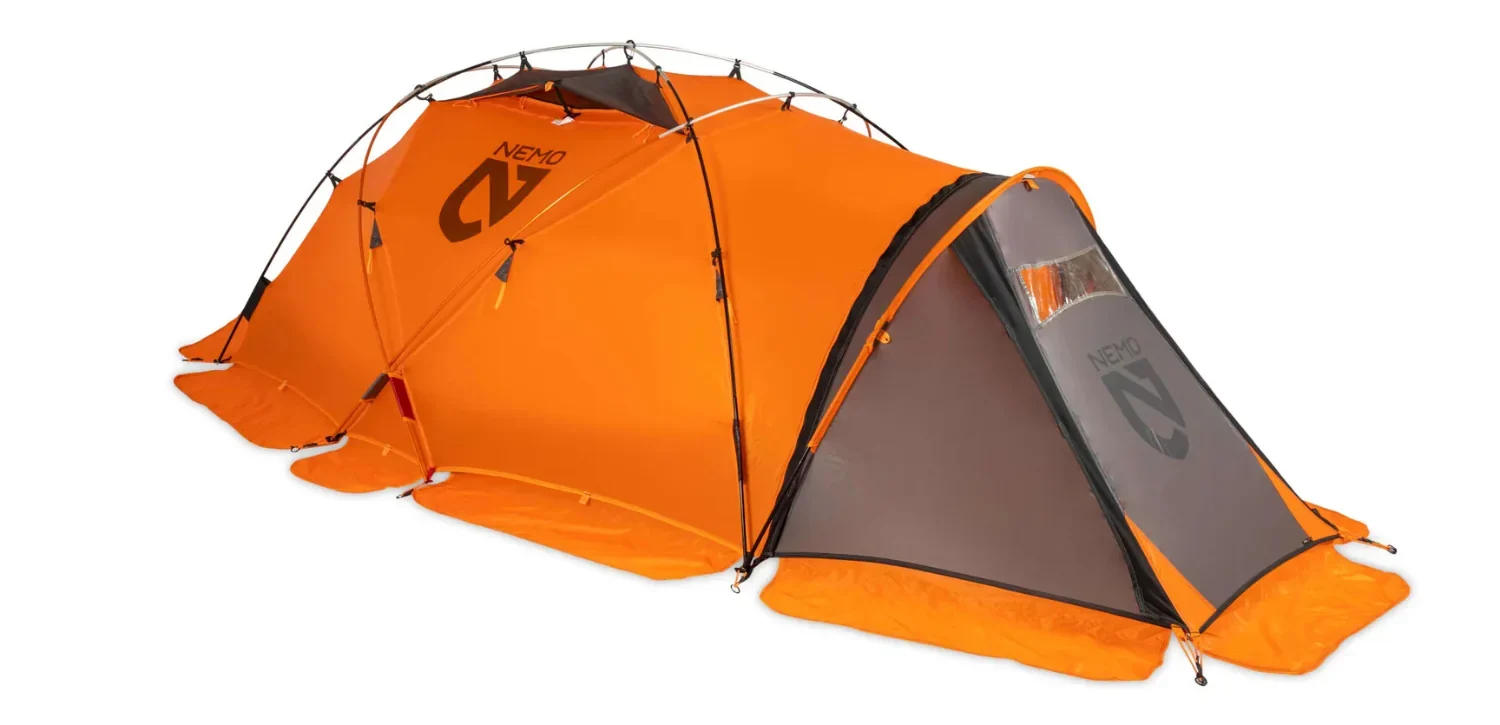
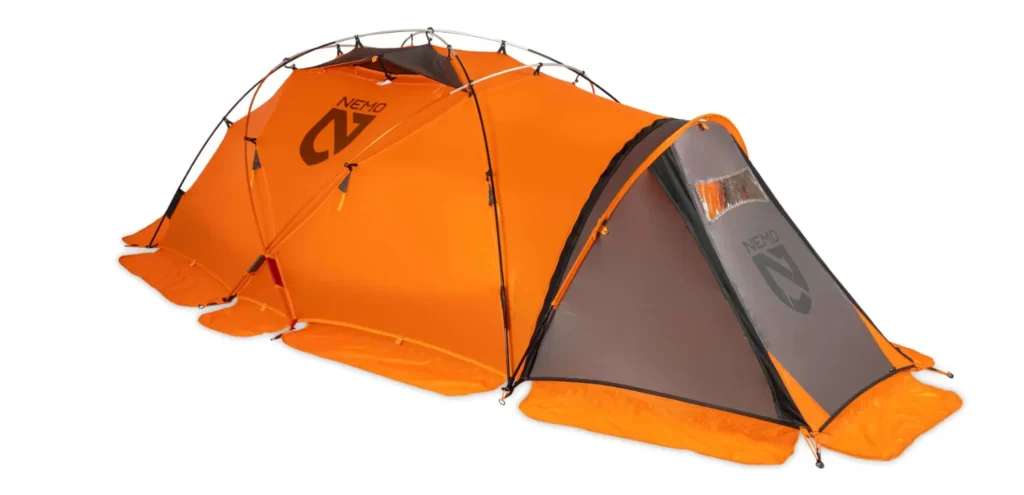
The Nemo Chogori 2P is one of those rare tents that immediately feels different the moment you pitch it. After spending time with it in mixed conditions—cold nights, persistent rain, and a couple of genuinely rough weather spells—it became clear that this shelter sits in a very specific category. It’s built for people who want the reassurance of a true 4‑season, expedition‑ready tent but don’t want to haul around the usual weight penalty that comes with that level of protection.
Design and First Impressions
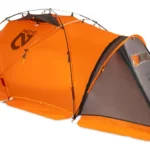
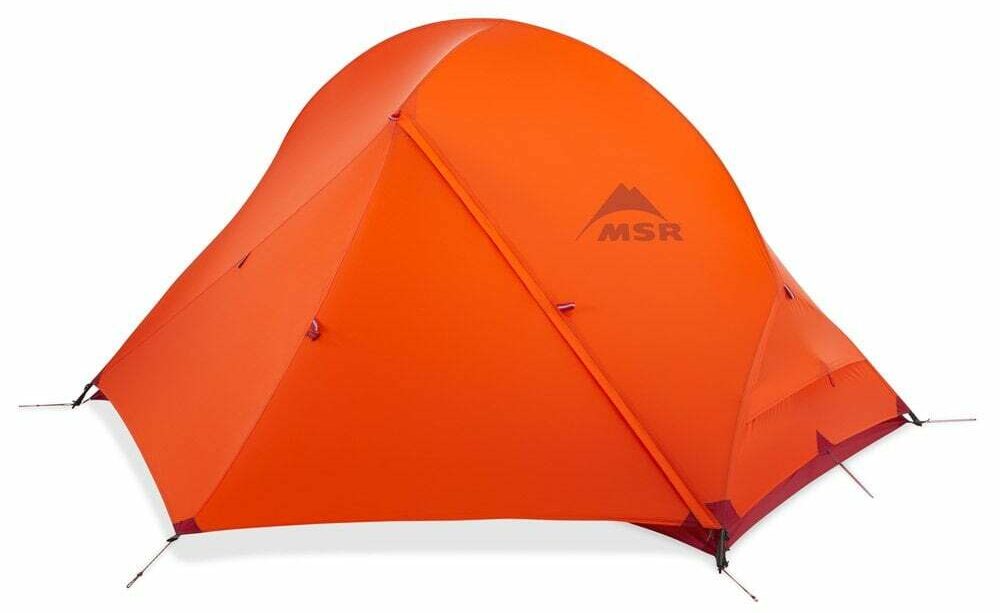
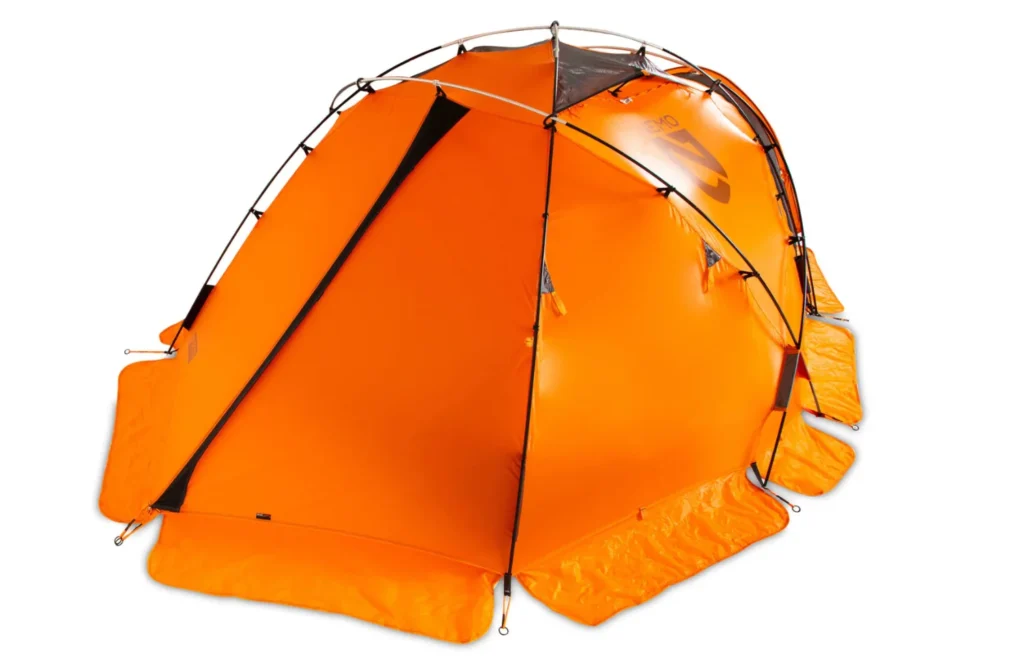
The first thing that stands out about the Nemo Chogori 2P is the integrated fly and canopy. Instead of pitching an inner tent first and then throwing a fly over the top, the Chogori uses a single, unified structure. The poles sit on the outside, and the whole tent goes up as one piece. This is a huge advantage when the weather turns foul. There’s no moment where the inner is exposed to rain or snow, and the setup time is noticeably faster than traditional double‑wall expedition tents.
The external pole system feels intuitive after the first pitch. The DAC Featherlite NSL poles slot into place with a reassuring firmness, and the structure becomes rigid quickly. Even before pegging out the guy lines, the tent feels stable, which is exactly what you want when pitching on exposed ground.
The fabrics are silicone‑treated nylon, which gives the tent a slick, tough feel. They’re noticeably stronger than standard PU‑coated materials, and they don’t require seam taping. This contributes to the tent’s long‑term durability and weather resistance. The fly is rated to 3000 mm and the floor to 5000 mm, which is more than enough for snow melt, heavy rain, and prolonged damp conditions.
Pitching in Real Conditions
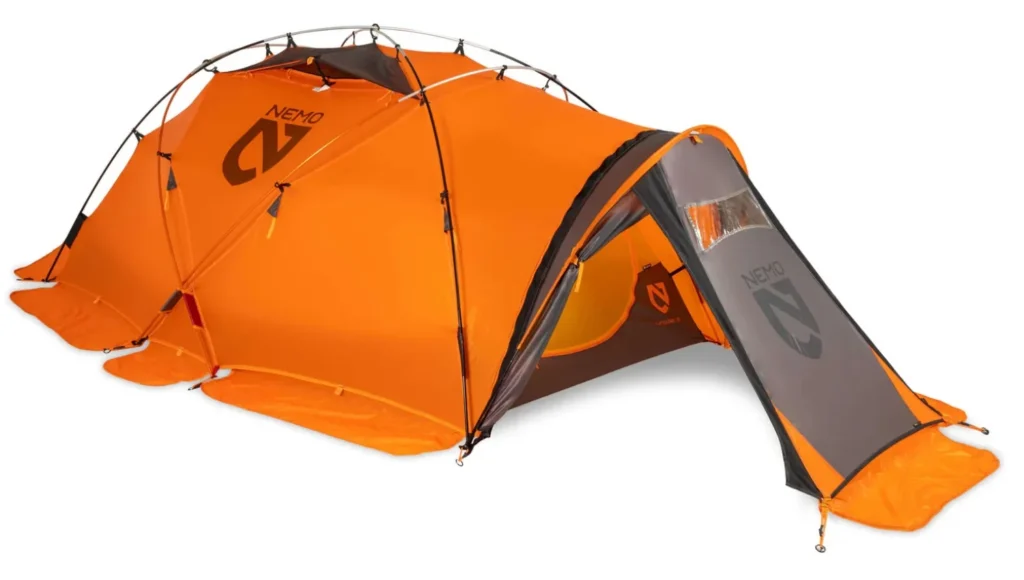
Pitching the Chogori in calm weather is straightforward, but the real test is how it behaves when the wind is up or the rain is coming sideways. This is where the tent shines. The external pole sleeves allow you to get the structure upright quickly, and because the inner is already attached, you’re sheltered almost immediately.
In strong winds, the tent’s shape and pole geometry work together to create a stable, low‑flex structure. The guy‑out points are well positioned, and once everything is tensioned, the tent barely shudders. It’s the kind of stability that gives you confidence to settle in for the night without worrying about the walls collapsing or the poles bending under pressure.
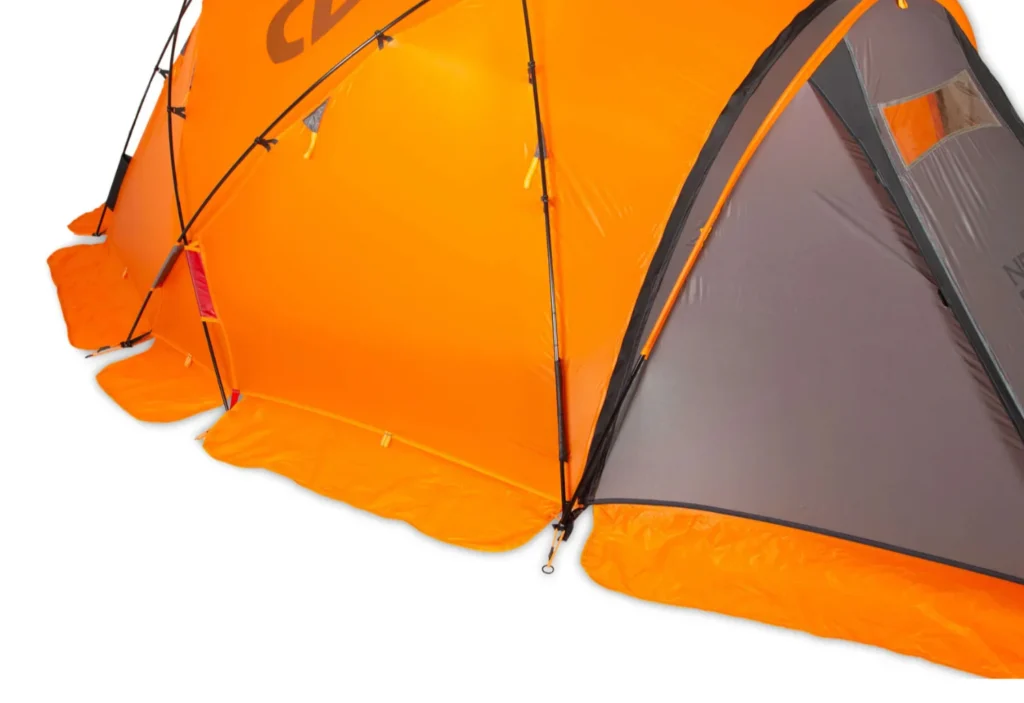
The vestibules are generous for a 2‑person expedition tent. There’s enough space to store wet gear, boots, and packs without crowding the sleeping area. The dual‑door layout also makes life easier when two people are sharing the tent, especially in poor weather when you don’t want to climb over each other.
Interior Space and Comfort
The Chogori’s interior feels more spacious than many other 4‑season shelters in its class. The peak height of 98 cm is enough to sit up comfortably, and the 226 x 165 cm floor area gives two people enough room to sleep without feeling cramped. The steep wall angles help maximise usable space, and the layout feels well thought out.
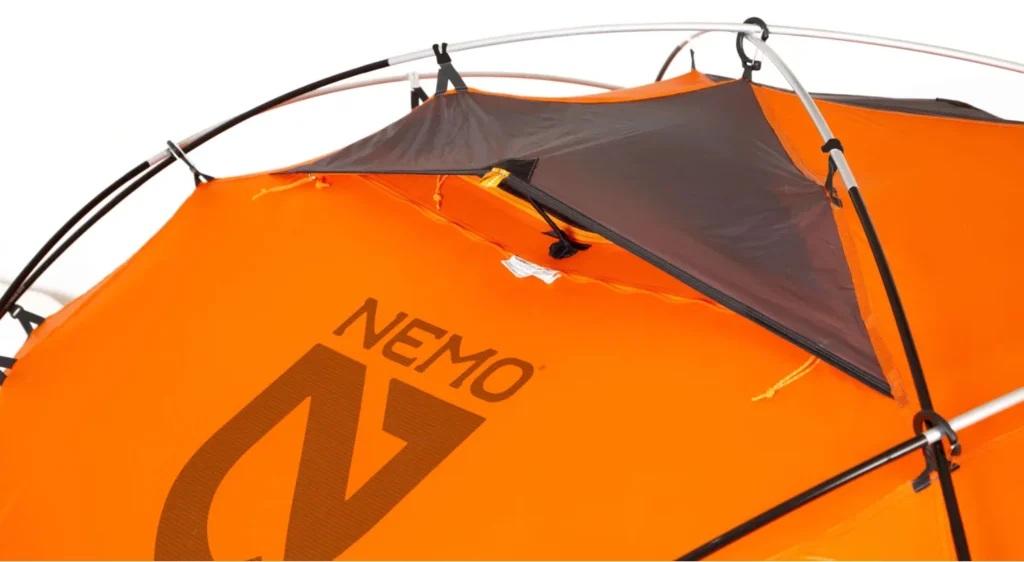
Ventilation is one of the tent’s strongest features. Expedition tents often struggle with condensation, especially in cold conditions, but the Chogori manages airflow impressively well. The combination of vents, mesh panels, and the integrated fly design helps reduce moisture build‑up during long nights. Even in damp, cold weather, condensation remained manageable.
The fabric suite is free from fire retardants, which is worth noting for people who prefer cleaner materials. The tent still feels robust and confidence‑inspiring, and the silicone treatment adds a level of durability that becomes more noticeable over time.
Weather Resistance and Storm Performance
The Nemo Chogori 2P tent is built for harsh environments, and it shows. In heavy rain, the fly sheds water efficiently, and the floor’s 5000 mm rating keeps moisture out even when pitched on saturated ground. Snow loading is handled well thanks to the strong pole structure and taut pitch.
Wind resistance is excellent. The tent’s shape, pole architecture, and guy‑out options combine to create a shelter that feels secure even when gusts hit hard. The external pole system means the fly remains tight and stable, reducing flapping and noise during the night.
One of the standout features is how the tent behaves during rapid weather changes. Because the inner and fly are integrated, the tent remains protected during setup and takedown. This is a major advantage in alpine environments or during winter trips when exposure to the elements can quickly become uncomfortable.
Weight and Packability
At a minimum weight of 3.2 kg and a packed weight of 3.47 kg, the Nemo Chogori 2P tent is lighter than many comparable expedition tents. Nemo claims around a 25% weight saving compared to similar shelters, and that feels accurate. While it’s not a featherweight backpacking tent, it’s impressively light for a true 4‑season, storm‑ready shelter.
The packed size of 46 x 22 cm is manageable, and the included dry‑bag style stuff sack makes it easy to compress and store. For people who split the load between two packs, the weight becomes even more reasonable.
Durability and Long‑Term Use
The silicone‑treated fabrics, DAC poles, and reinforced guy‑out points all contribute to the tent’s long‑term durability. After repeated pitching, the materials show minimal wear, and the pole sleeves remain smooth and easy to use.
The lack of seam tape might seem unusual to some, but silicone‑coated fabrics don’t work with traditional seam taping. Instead, the stitching and construction methods provide the necessary protection. Over time, this approach tends to last longer than taped seams, which can peel or degrade.
The included accessories—stakes, guy lines, pole repair splint, and the Landing Zone—add to the tent’s practicality. Everything feels purposeful rather than thrown in as an afterthought.
Living With the Tent on Longer Trips
For extended trips, the Nemo Chogori 2P tent becomes even more appealing. The ventilation helps keep the interior dry, the vestibules provide enough storage for multi‑day gear, and the dual‑door layout improves day‑to‑day convenience.
One clever feature is the ability to link two Chogori tents together. This creates a larger, connected shelter that works well for basecamp setups or group expeditions. It’s a niche feature, but for people who travel in teams, it can be a genuine advantage.
The tent’s stability during storms makes it a reliable home during long periods of bad weather. When you’re stuck inside waiting for conditions to improve, the extra headroom and thoughtful layout make a noticeable difference.
Who the Nemo Chogori 2P Is For
The Chogori is ideal for people who:
- Want a true 4‑season, expedition‑ready tent
- Need fast pitching in bad weather
- Value durability and long‑term reliability
- Spend time in alpine, winter, or exposed environments
- Prefer a lighter alternative to traditional mountaineering tents
- Want a shelter that balances strength with comfort
It’s less suited to people who only camp in mild conditions or who prioritise ultralight weight above all else. This is a serious tent for serious environments, and while it’s comfortable enough for general camping, its strengths really shine when the weather turns challenging.
Final Thoughts
The Nemo Chogori 2P tent is one of the most impressive 4‑season tents available today. Its integrated fly and external pole system make pitching in bad weather significantly easier, and the weight savings compared to other expedition tents are substantial. The combination of strong materials, excellent ventilation, and thoughtful design results in a shelter that feels dependable in almost any conditions.
For people who want a tent that can handle storms, snow, and high winds without feeling like a burden to carry, the Chogori is a standout choice. It strikes a rare balance between strength, comfort, and practicality, making it a tent that inspires confidence every time it’s pitched.