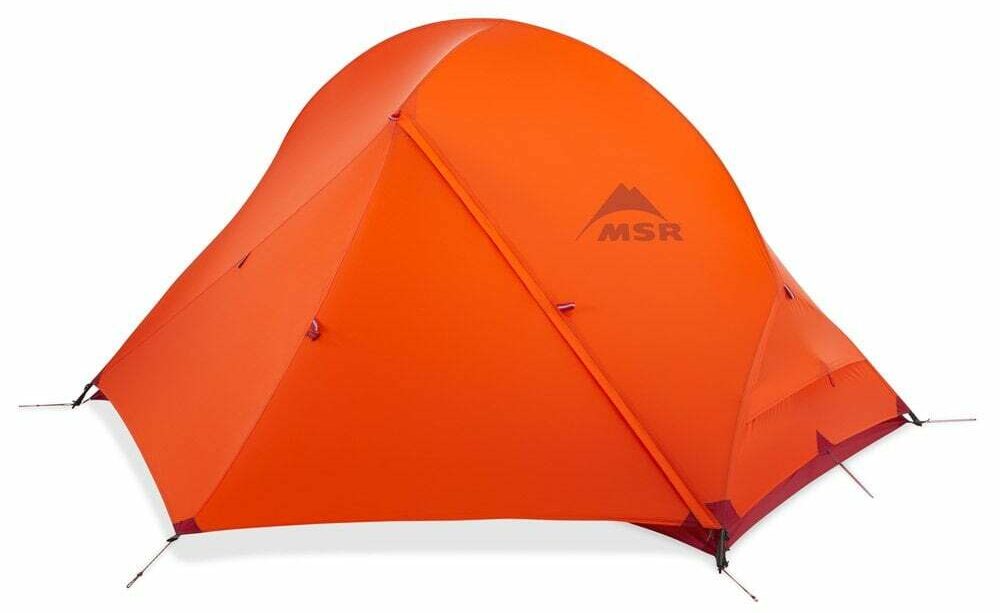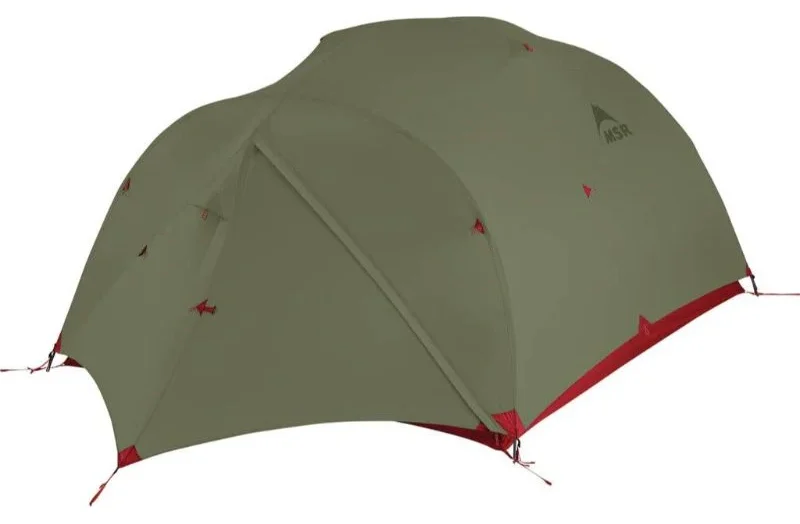
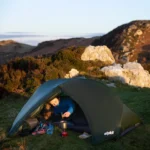

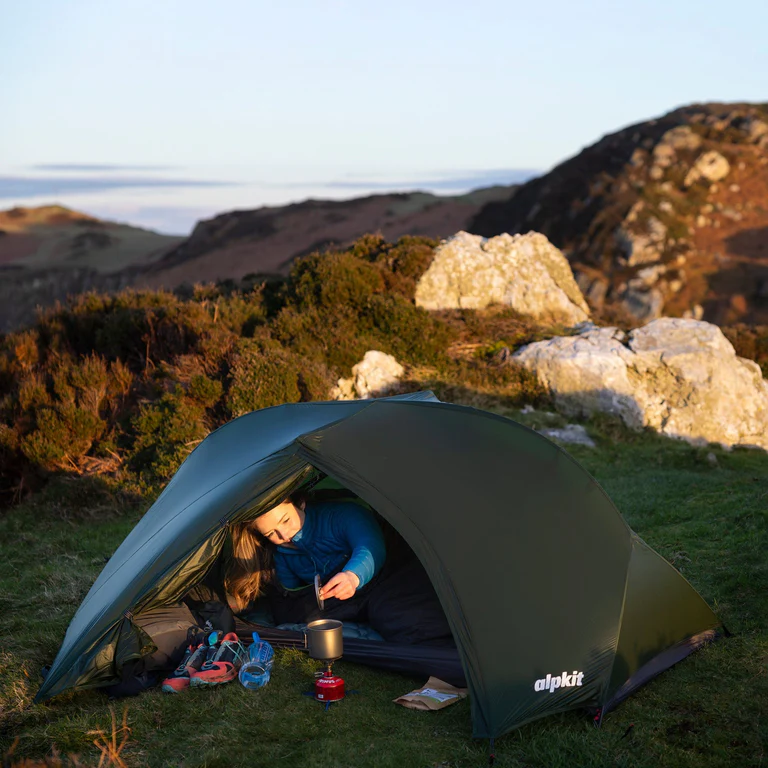
The Alpkit Ultra 1 is a tent designed for people who want to travel light without giving up the basic comfort and protection of a proper shelter. After spending considerable time using it on bikepacking trips, overnight hikes, and fast-and-light weekends, it becomes clear that this tent is built with a very specific purpose in mind: keep weight to an absolute minimum while still offering enough structure to handle real weather. It’s a tent that rewards people who value efficiency, simplicity, and packability over spaciousness or luxury.
Design and Build Quality
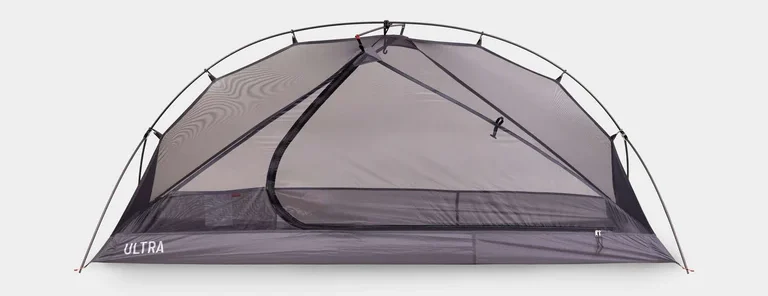
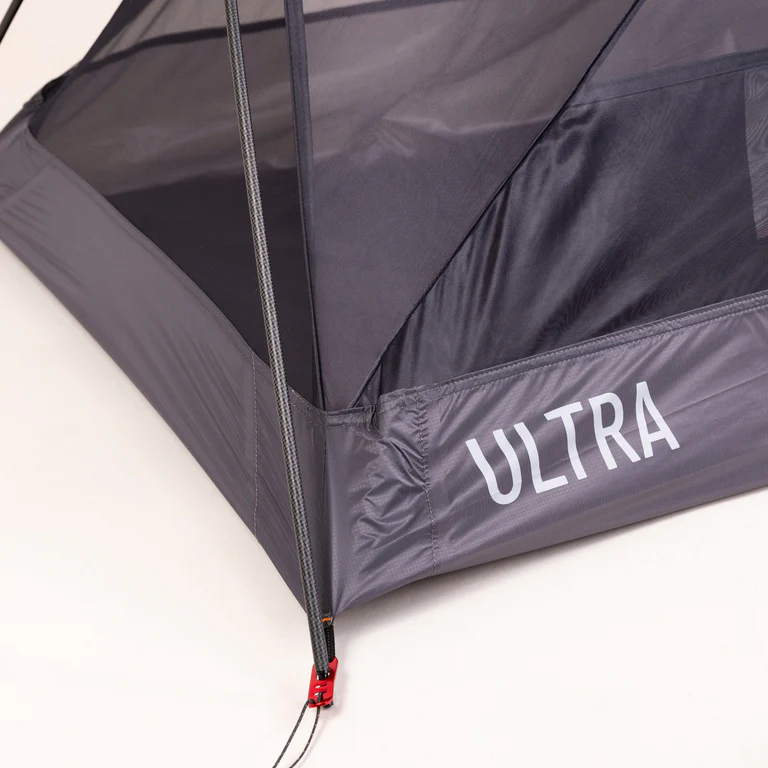
The first thing that stands out about the Ultra 1 is how compact it is. At under 900 grams, it feels closer to a bivvy bag than a traditional tent, yet it still offers a fully enclosed space with a bathtub floor and mesh inner. The materials are thin but not fragile. Alpkit has used lightweight ripstop fabrics that strike a balance between durability and pack weight.
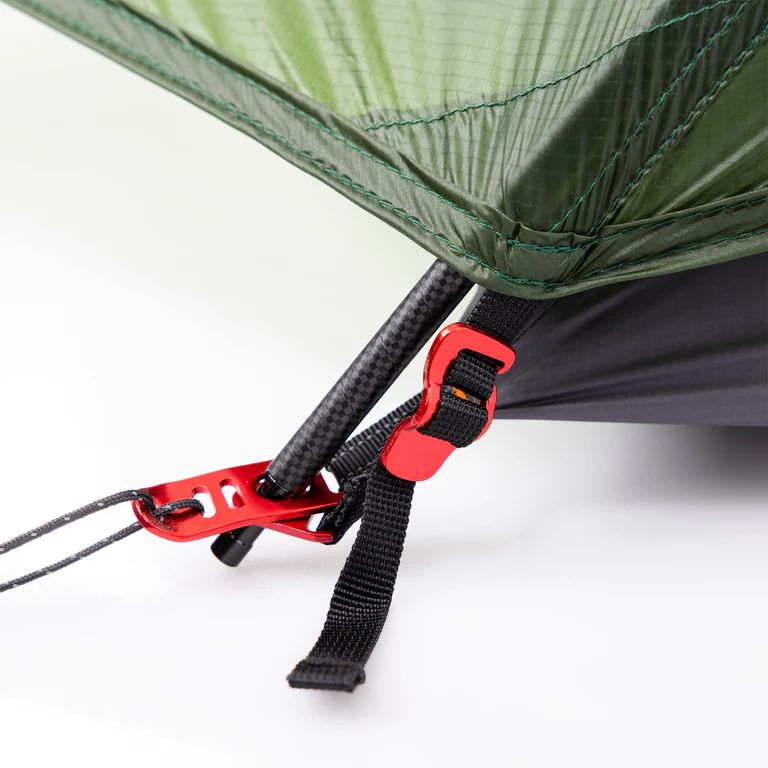
The single-pole design keeps things simple. The pole is short enough to pack easily into a bikepacking setup, and the tent body attaches quickly without fuss. The pegs are lightweight aluminium and hold well in firm ground, though people travelling in softer terrain may want to bring a couple of sturdier spares.
The overall construction feels thoughtful. Seams are neatly taped, zips run smoothly, and the guyline points are reinforced. It’s clear that Alpkit has aimed to create a shelter that can withstand real-world use without tipping over into the realm of fragile ultralight gear that needs babying.
Pitching and Setup
Pitching the Ultra 1 is straightforward once you’ve done it a couple of times. The single-pole structure means there’s very little to think about. Slide the pole into the sleeve, peg out the corners, tension the guylines, and the tent takes shape quickly.
One of the advantages of the design is that it pitches inner-first, which some people prefer for ventilation and simplicity. The downside is that in heavy rain, the inner can get wet during setup. This is a common trade-off with ultralight tents, and the Ultra 1 is no exception.
The tent requires a bit of tensioning to get the best shape. When pitched well, the structure feels surprisingly solid for something so light. In windy conditions, adding extra guylines helps keep the tent stable and reduces flapping.
Interior Space and Comfort
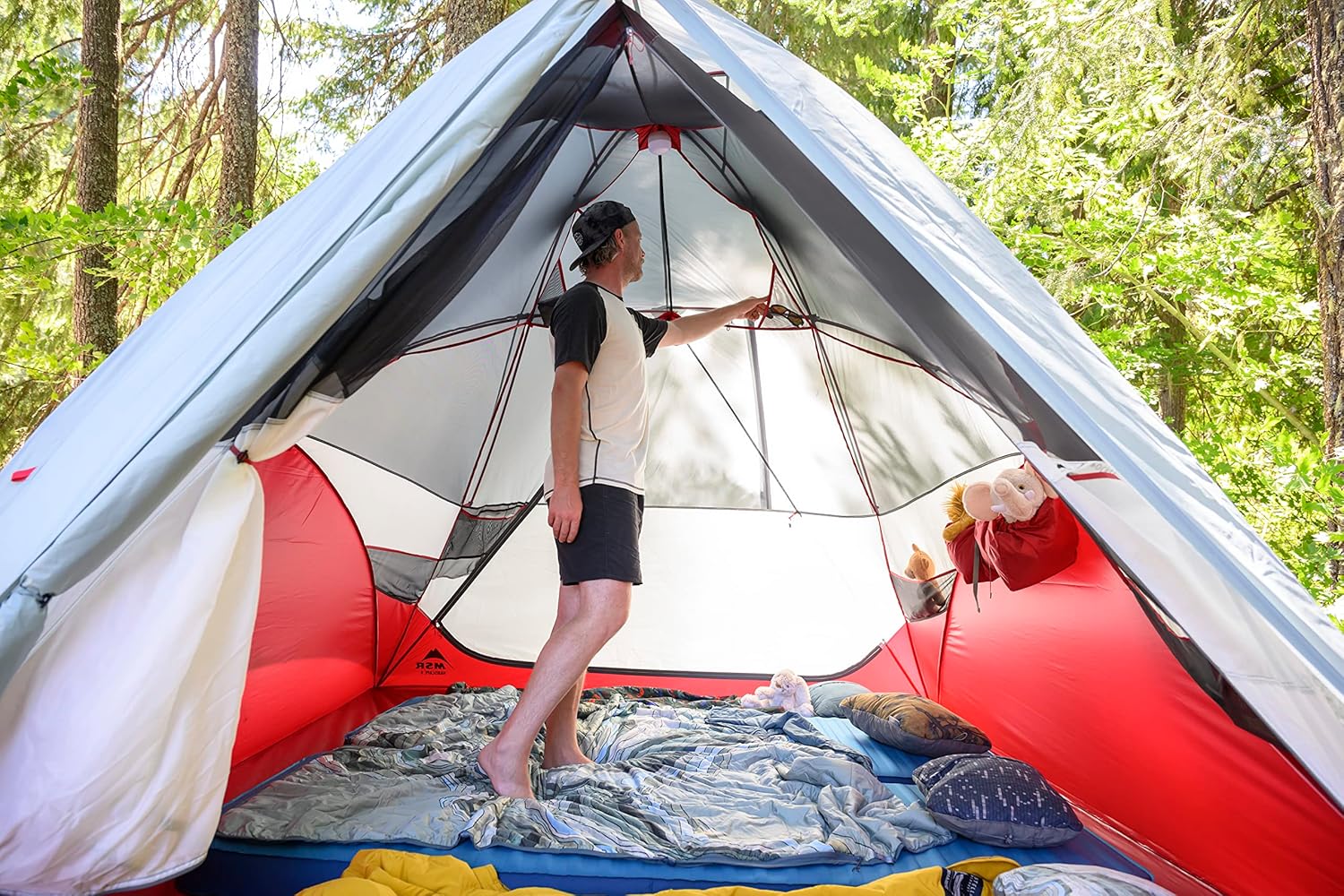
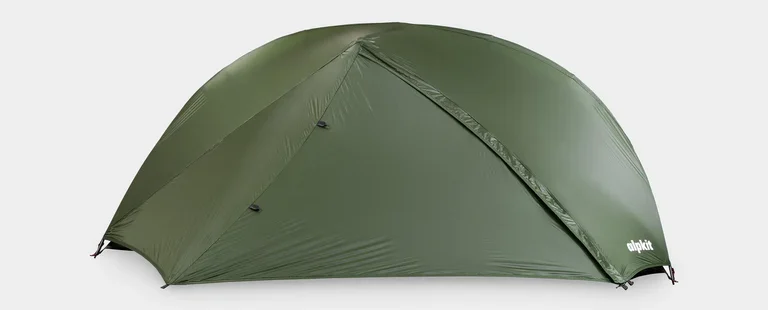
The Ultra 1 is a one-person tent in the truest sense. It’s not spacious, and it’s not meant to be. The interior is long enough for taller people to lie comfortably, but there isn’t much room to sit upright. The sloping ceiling means that changing clothes or spending extended time inside can feel cramped.
That said, the space is well used. There’s enough room for a sleeping mat, sleeping bag, and a few essentials. Larger gear can be stored in the small vestibule, which is big enough for shoes, a stove, or a small pack. For bikepacking, the vestibule can hold a frame bag or handlebar roll, but not much more.
Ventilation is good thanks to the mesh inner and the ability to adjust the fly. Condensation is always a factor in small ultralight tents, but the Ultra 1 manages it reasonably well. On colder nights, some moisture is inevitable, but it rarely becomes problematic.
Weather Performance
For such a lightweight tent, the Ultra 1 handles weather better than expected. In moderate rain, the fly sheds water effectively, and the bathtub floor keeps moisture out. The tent’s low profile helps it resist wind, though it’s important to pitch it with the narrow end facing into the wind for best results.
In heavier rain, the thin fly fabric can feel a little close, and the sound of rain is louder than in thicker tents. However, the waterproofing holds up, and the structure remains stable as long as the guylines are properly tensioned.
Wind performance is respectable for a tent of this weight. It’s not designed for extreme conditions, but for typical three-season use, it feels reliable. People who camp in exposed areas may want to reinforce the guyline points or bring additional stakes.
Packability and Weight
Packability is one of the Ultra 1’s strongest features. The tent compresses down to a very small size, easily fitting into bikepacking bags, running packs, or small hiking backpacks. The weight is low enough that it barely registers, making it ideal for people who count every gram.
The pole breaks down into short sections, which is a huge advantage for bikepacking setups where long poles can be awkward to store. The tent body and fly can be stuffed into a small dry bag if needed, making it easy to distribute weight across different bags.
For people who want a shelter that doesn’t dominate their pack, the Ultra 1 is an excellent option.
Durability Over Time
Despite its lightweight construction, the Ultra 1 holds up well with regular use. The fabrics resist abrasion better than expected, and the stitching remains solid. The zips continue to run smoothly even after repeated exposure to dirt and moisture.
The floor is thin, so using a groundsheet or choosing softer ground is advisable. Without one, the tent will still survive, but long-term durability improves significantly with a little extra protection.
The pole is sturdy for its weight, and the shock cord maintains tension well. The pegs are the only component that may need upgrading depending on terrain.
Strengths
The Ultra 1 has several standout strengths:
- Extremely lightweight and compact
- Simple, fast pitching
- Good weather resistance for its weight
- Ideal for bikepacking and fast-and-light hiking
- Durable materials considering the ultralight category
- Packs down very small
It’s a tent that prioritises efficiency and minimalism without feeling flimsy.
Weaknesses
No ultralight tent is perfect, and the Ultra 1 has a few limitations:
- Limited interior space
- Inner-first pitch can be inconvenient in heavy rain
- Vestibule is small
- Not suitable for extreme weather
- Floor benefits from a groundsheet
These weaknesses are typical of ultralight shelters, and people choosing this tent will likely expect them.
Who the Alpkit Ultra 1 Is For
The Ultra 1 is ideal for people who want to travel light and move fast. It suits bikepackers, long-distance hikers, and anyone who values packability over comfort. It’s perfect for solo trips where weight matters more than space.
It’s not the best choice for people who want room to spread out, sit upright, or store lots of gear inside the tent. It’s also not designed for harsh winter conditions or multi-day storms.
For people who understand the compromises of ultralight gear and want a reliable, well-built shelter that won’t weigh them down, the Ultra 1 is a strong contender.
Final Thoughts
The Alpkit Ultra 1 is a well-designed ultralight tent that delivers impressive performance for its weight. It’s simple, efficient, and surprisingly robust, making it a great choice for people who prioritise minimalism and mobility. While it has limitations in space and extreme weather, it excels in the environments it’s designed for.
If you’re looking for a lightweight shelter that packs down small, pitches quickly, and holds up well in typical three-season conditions, the Ultra 1 is a tent worth considering. It’s a practical, honest piece of gear that does exactly what it promises.