



The Hoka Speedgoat line has built a loyal following over the years. Named after ultra-running legend Karl Meltzer, it has become a go-to option for long trail miles, mountain races and technical terrain. With the release of the Hoka Speedgoat 7, expectations were high. The previous version was already a solid all-rounder, so any update had to improve the ride without losing the identity that made the shoe popular.
After months of running on rocky trails, muddy woodland paths, hard-packed gravel and steep mountain descents, here is an honest, detailed look at how the Speedgoat 7 performs in the real world.
First Impressions and Design
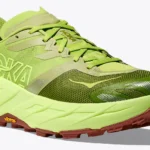
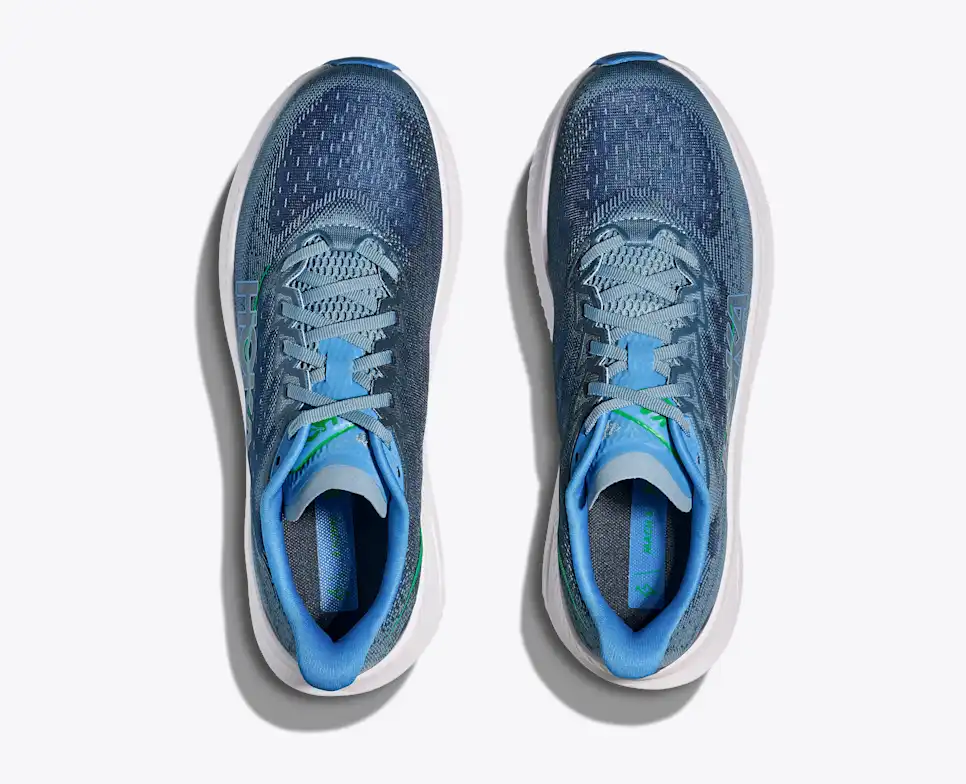
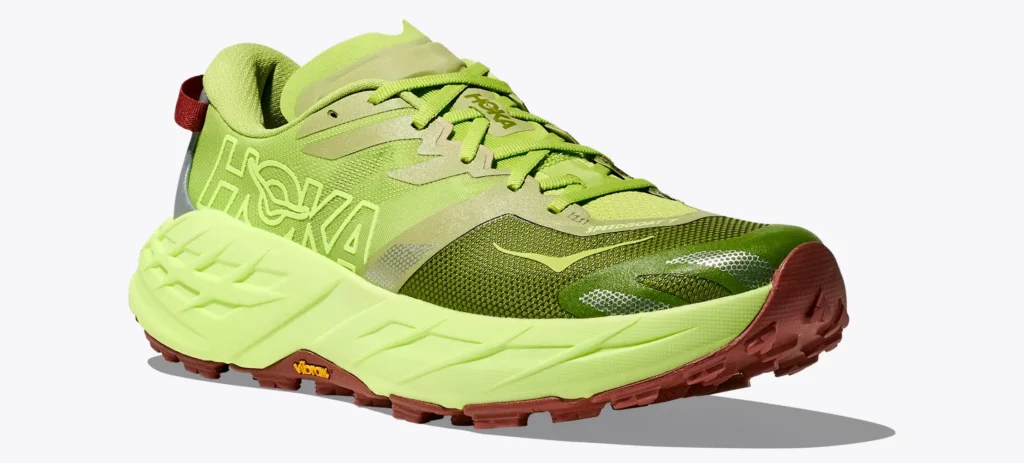
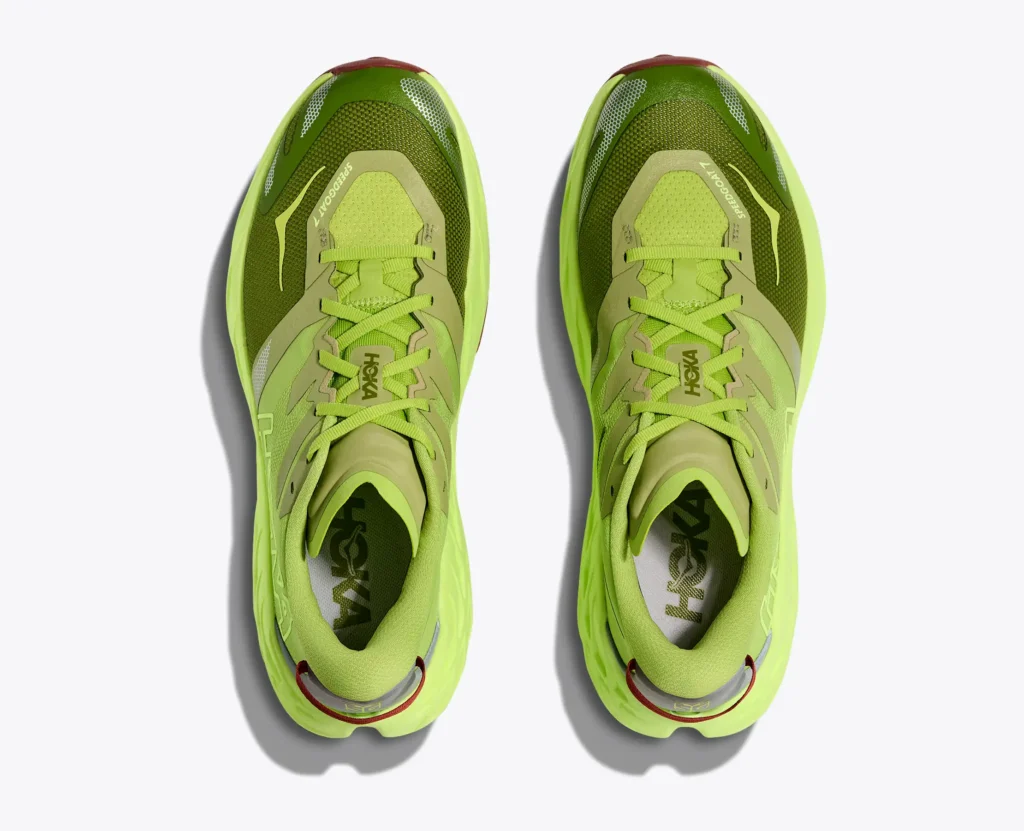
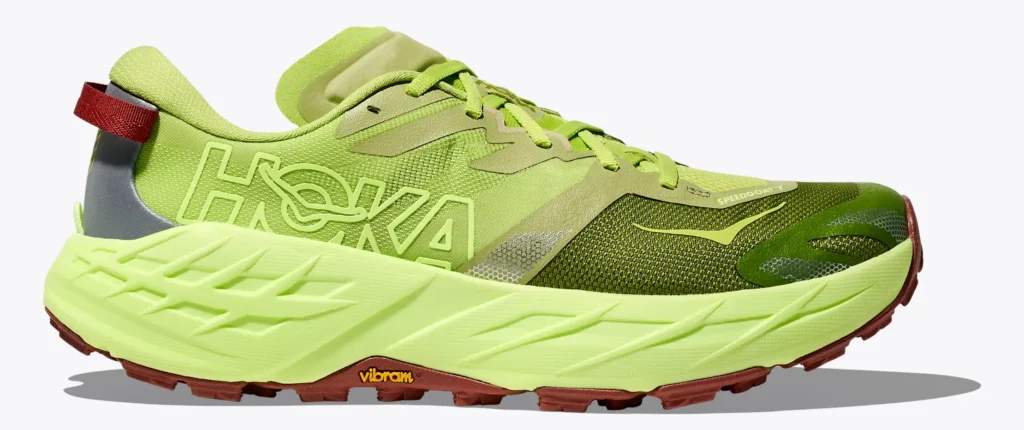
Straight out of the box, the Speedgoat 7 looks aggressive yet refined. The chunky midsole remains a defining feature. It is unmistakably Hoka. The stack height is generous, but the silhouette feels slightly sleeker than some earlier models.
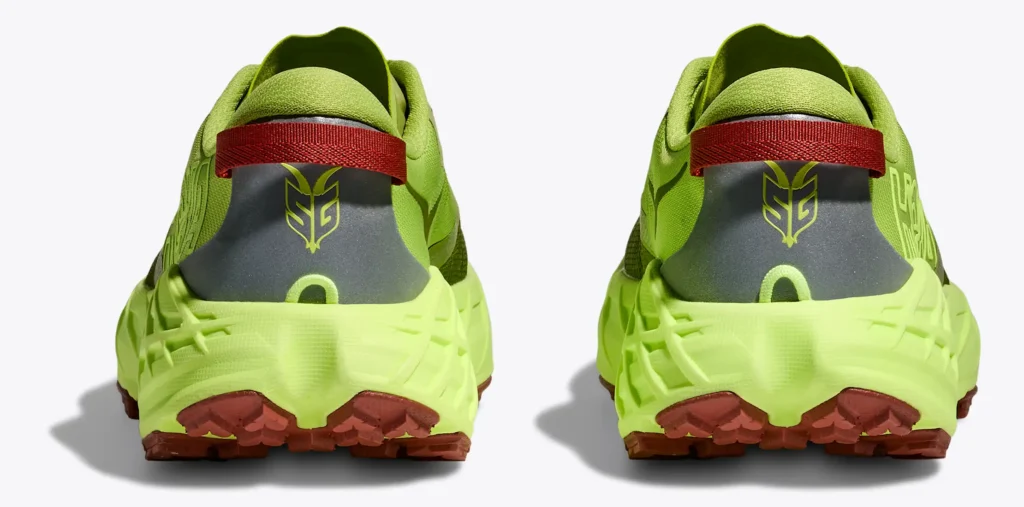
The upper appears lighter and more breathable. The engineered mesh feels thinner than the Speedgoat 6, yet it does not feel fragile. The overlays are minimal, and there is a clean, modern aesthetic. The heel counter looks structured, and the toe bumper is substantial enough for rocky trails.
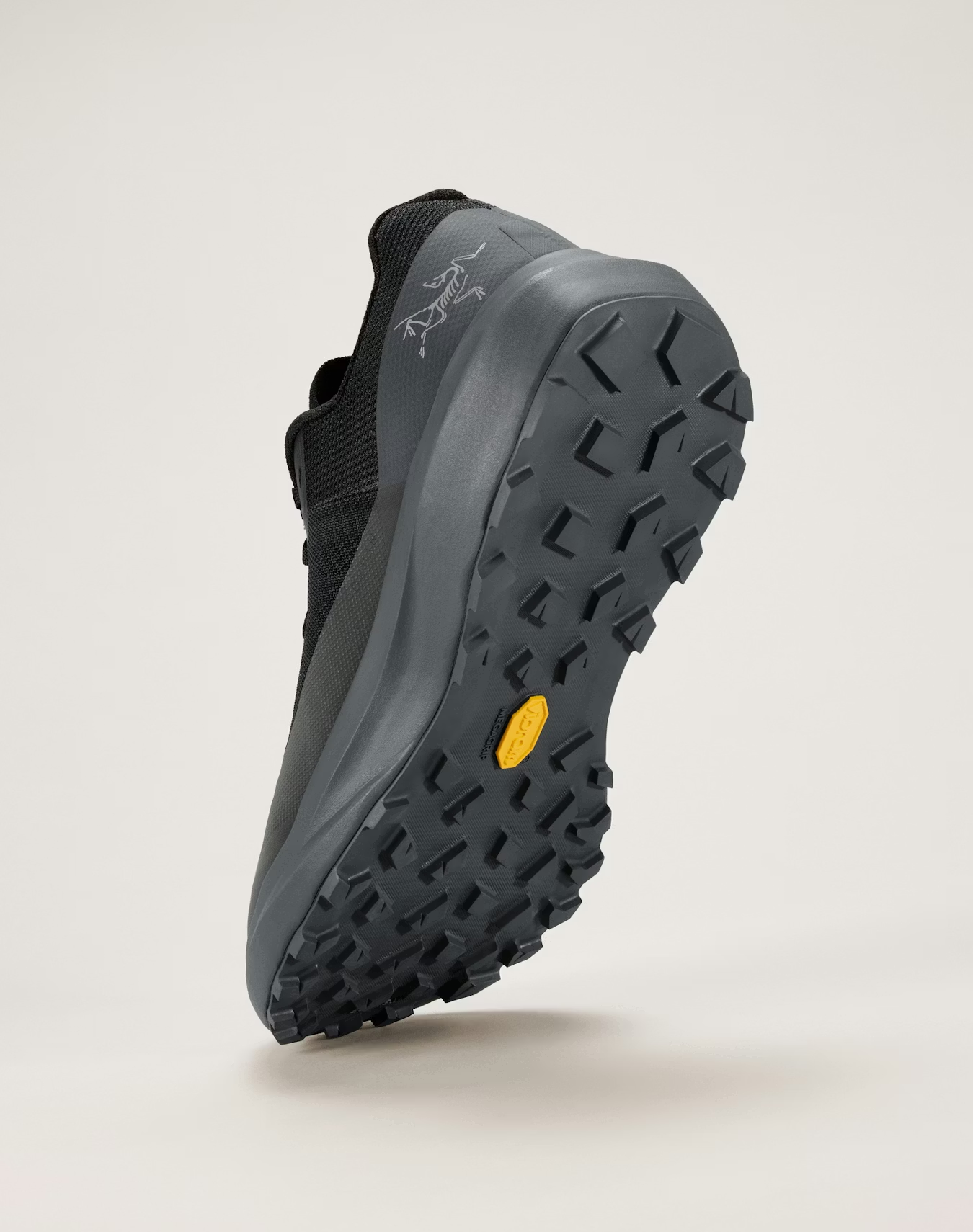
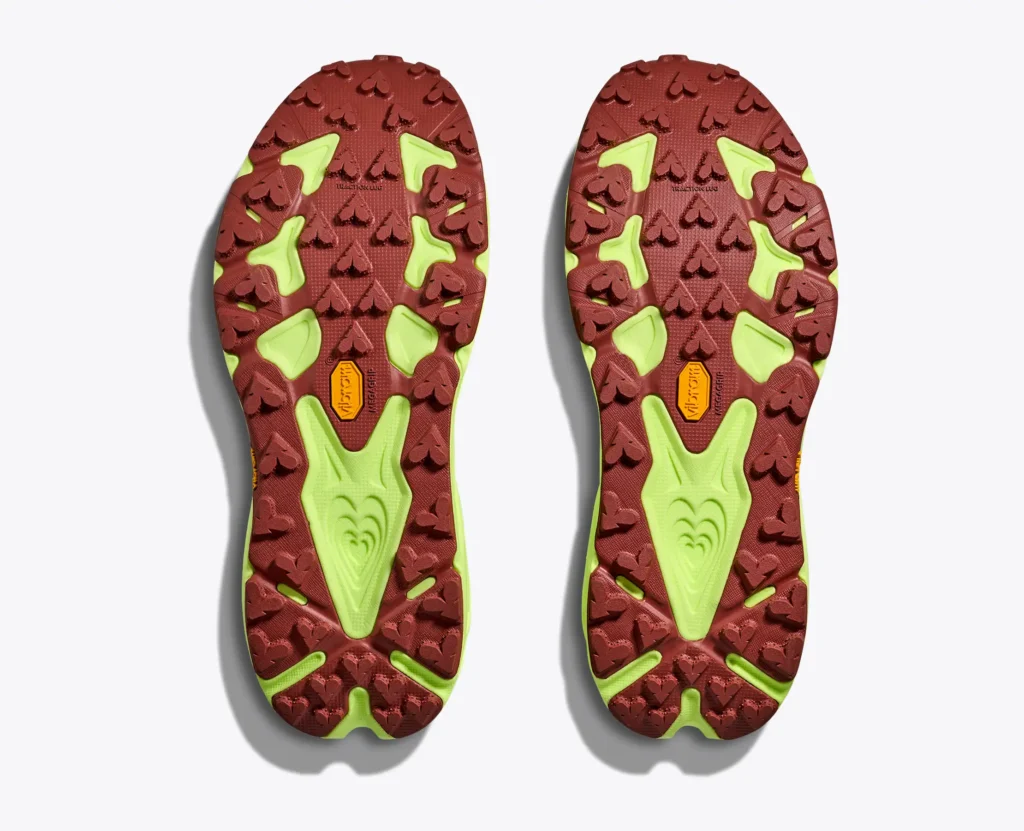
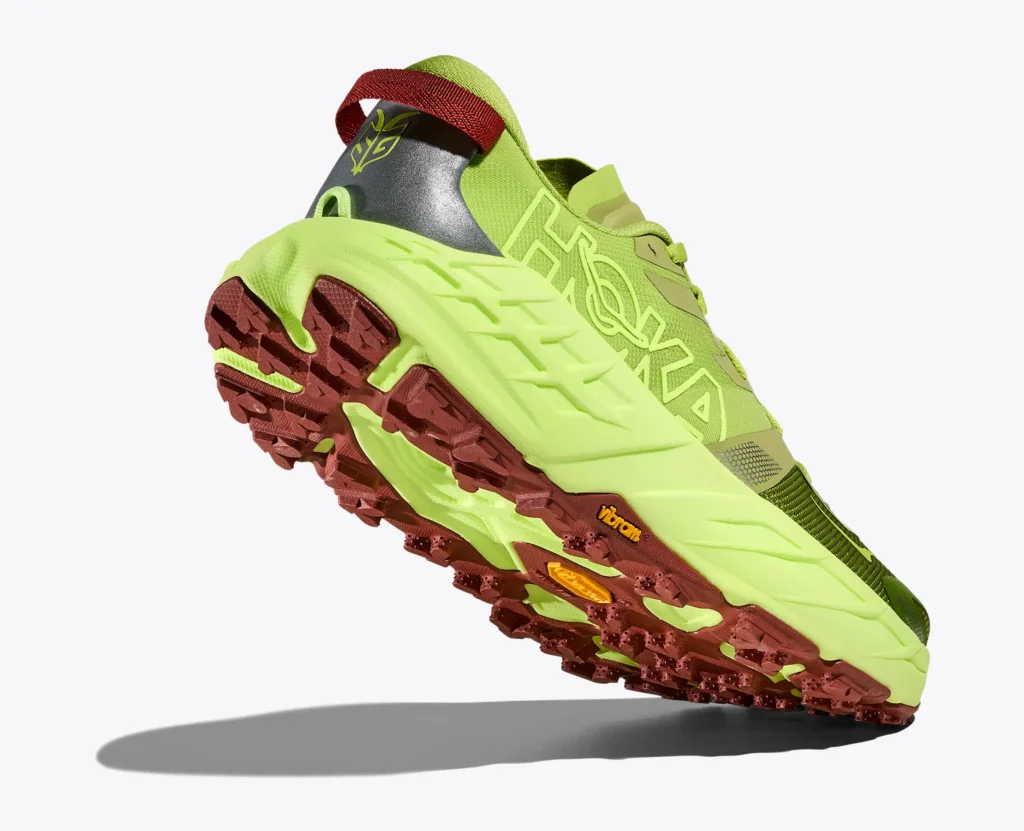
Underneath, the Vibram Megagrip outsole with deep lugs is ready for serious terrain. The lug pattern looks purposeful. It promises traction on mud, loose gravel and wet rock.
The overall impression is that Hoka has tried to refine rather than reinvent.
Fit and Sizing
Fit is always personal, but the Speedgoat 7 feels more accommodating than some earlier versions. The toe box offers enough space for natural toe splay without feeling sloppy. On long runs, this makes a noticeable difference. Swelling feet have room to expand.
The midfoot hold is secure. The lacing system allows you to fine-tune tension easily. Once locked in, the foot stays in place on steep descents and off-camber sections.
The heel fit is snug without being restrictive. I did not experience heel lift, even on technical climbs where footing can be unpredictable.
Sizing runs true to standard running shoe size. Those who found older Speedgoat models slightly narrow may appreciate the improved shape here. There are also wider options available, which is good news for those with broader feet.
Upper Comfort and Breathability
The engineered mesh upper feels noticeably improved. It strikes a good balance between breathability and protection. On warm days, airflow is adequate. The shoe does not feel swampy after hours on the trail.
At the same time, the upper offers enough structure to protect against trail debris. Small stones are kept out, and the toe bumper does a good job when you misjudge a rock.
Padding around the collar and tongue is moderate. It is not overly plush, but it is comfortable. The tongue stays in place and does not bunch up mid-run.
On longer outings, hot spots were minimal. I ran distances from short 10 km trail loops to long mountain days, and the upper remained comfortable throughout.
Midsole and Ride Feel
The heart of the Speedgoat 7 is its midsole. Hoka continues to use a high-stack foam platform that prioritises cushioning. However, the ride feels slightly more responsive than the previous version.
Underfoot, there is a soft initial feel, but it is not mushy. The foam compresses on impact and rebounds smoothly. On hard-packed trails and gravel roads, the cushioning reduces fatigue in the legs. This is especially noticeable during long runs.
On technical terrain, the high stack might sound concerning. In practice, stability is better than expected. The wide platform and subtle sidewalls help guide the foot. I never felt perched or unstable, even on rocky descents.
The shoe leans more towards comfort than speed. That said, it can handle tempo efforts on the trail. It is not a lightweight racing flat, but it does not feel heavy or sluggish either.
For ultra distances and marathon-length trail events, the cushioning becomes a real advantage. It allows you to keep moving when legs start to tire.
Outsole and Grip Performance
The Vibram Megagrip outsole remains one of the strongest features of the Speedgoat line. The lugs are deep and well spaced. They bite into soft ground with confidence.
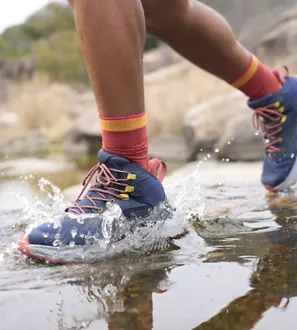
On muddy woodland trails, traction is reliable. The shoe grips well during climbs and provides control on descents. In wet conditions, the Megagrip compound performs better than many standard rubber outsoles.
On rocky mountain terrain, the grip inspires confidence. Scrambling sections and uneven slabs feel secure. There is enough friction to trust your footing, even when the rock is slightly damp.
On road or pavement sections, the lugs are noticeable but not uncomfortable. The shoe is clearly designed for trails first. It will handle short road links, but it is happiest off-road.
Durability also seems strong. After many kilometres on mixed terrain, the lugs show only moderate wear.
Stability on Technical Terrain
A common concern with high-stack trail shoes is stability. The Speedgoat 7 manages this well. The base is wide, especially in the forefoot. This creates a planted feel on uneven ground.
The sidewalls of the midsole add subtle guidance. They cradle the foot without feeling intrusive. On off-camber trails, the shoe resists excessive rolling.
That said, those who prefer a very low-to-the-ground feel may still find the stack height noticeable. If you are used to minimalist trail shoes, there will be an adjustment period.
For most runners seeking comfort over long distances, the balance between cushioning and stability feels well judged.
Weight and Agility
The Speedgoat 7 is not the lightest trail shoe on the market. However, it feels lighter than it looks. Once moving, the weight is well distributed.
On flowing singletrack, the shoe transitions smoothly from heel to toe. The rocker geometry helps maintain forward momentum. It encourages a natural stride without forcing it.
Quick direction changes are manageable, though not razor sharp. This is not a shoe built purely for short, explosive trail races. It excels more in sustained efforts over varied terrain.
For long mountain days and ultra distances, the weight feels appropriate for the protection and cushioning offered.
Durability and Build Quality
After extended testing, durability appears solid. The upper shows minimal signs of tearing or fraying. The toe bumper has protected well against repeated impacts with rocks and roots.
The midsole retains its cushioning characteristics. There is no significant compression set so far. The outsole lugs remain functional and grippy.
Hoka seems to have improved the overall build quality compared to some older iterations of the Speedgoat. It feels like a shoe designed to last through heavy training cycles.
Who Is the Hoka Speedgoat 7 For?
The Speedgoat 7 suits runners who prioritise cushioning and grip on challenging trails. It is ideal for:
- Long trail runs and ultra distances
- Mountain terrain with rocks and loose ground
- People seeking a protective, comfortable ride
- Mixed conditions including mud and wet rock
It may be less suitable for:
- Short, fast trail races where minimal weight is key
- Those who prefer a low-profile, ground-feel shoe
- Primarily road running
As an all-round trail shoe, it covers a wide range of scenarios. It handles daily training, long adventures and race day duties with equal confidence.
Real-World Experience Over Distance
The true test of any trail shoe is how it performs after several hours on the move. During longer efforts, the Speedgoat 7 shines. The cushioning reduces impact fatigue. Descents feel less punishing on the quads. Sharp rocks are muted underfoot.
On steep climbs, the grip and stable platform inspire confidence. Even when legs are tired, the shoe maintains its supportive feel.
There is also a psychological benefit. Knowing that your footwear can handle unpredictable terrain allows you to focus on pacing and route choices rather than worrying about slips or foot pain.
Over time, the shoe feels like a dependable partner rather than just equipment.
Final Verdict
The Hoka Speedgoat 7 builds on an already strong foundation. It refines the fit, improves the upper and maintains the outstanding grip that defines the series. The cushioning remains generous but controlled, making it a strong choice for long trail runs and ultra distances.
It is not the lightest or fastest trail shoe available. However, it delivers a balanced mix of comfort, traction and durability. For many trail runners, that balance is exactly what matters most.
If you want a protective, confidence-inspiring shoe for varied and technical terrain, the Speedgoat 7 deserves serious consideration. It continues the legacy of the Speedgoat name while feeling modern and reliable.